Russia Bans US-based Social Media Giants – Instagram & Facebook Banned in Russia


Moscow – There is the latest crackdown on social media during the conflict in Ukraine. Russia’s government banned Facebook and Instagram after labeling them as extremist organizations. The Russian authorities have accused US tech giant Meta, which is the parent company of Facebook, Instagram, and WhatsApp of tolerating Russophobia since Russian President Vladimir Putin sent troops into Ukraine on February 24.
Facebook owner Meta was labeled an extremist organization by Moscow court on Monday and that upheld a lawsuit filed by Russian state prosecutors. They are trying to impose a ban on the activities of Meta on Russian territory.
However, many sources claim that the decision would not apply to its WhatsApp Messenger servers, instead of focusing on Instagram and Facebook, which are already banned.
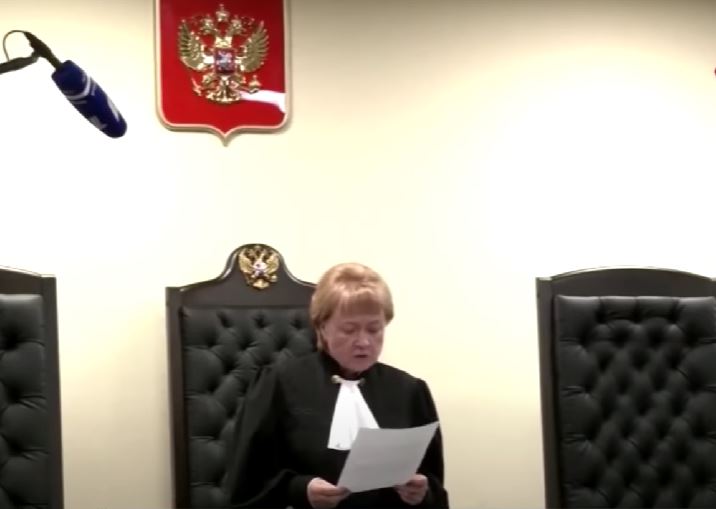
The court clearly states in their statement that the ban does not apply to WhatsApp. The main reason not to ban WhatsApp was due to its lack of functionality for the public dissemination of information.
It may be falling out of favor with Russians. Analysis of mobile internet traffic on Monday shows that telegram has overtaken WhatsApp to become the country’s most popular messaging tool in recent weeks.
The company Meta did not instantly respond to a request when the media went for comment. But the company’s lawyer released a statement o March 21, 2022, that the firm was not carrying out extremist activities. Meta claimed to be stood against Russophobia.
That’s according to Interfax news agency. Russia banned Facebook for restricting access to Russia. On the other side, picture sharing mobile application named Instagram was blocked.
Related:- China Registers 4,051 New Covid cases, Beijing continues Zero-covid strategy
Russia took this decision after Meta said in their statement that they would allow social media users in Ukraine to post messages.
Meta has since narrowed its guidance to prohibit calls for the death of a head of state. They even claimed that its guidance should never be interpreted as condoning violence against Russians. In general, the implications of labeling matter and extremist organizations remain unclear.