Wade Wilson, often referred to as the “Deadpool Killer,” is a name that has captured the public’s attention not for the superheroic deeds of a fictional Marvel character, but for the chilling reality of his crimes. His story is a stark reminder of how real-life horror can sometimes intersect with the realms of fiction. This article delves deeply into the life of Wade, examining his early years, the heinous acts that led to his infamy, and the consequences of his actions.
The term “Deadpool Killer” might evoke images of the comic book antihero, but the real Wilson’s legacy is far more sinister. Known for his brutal and senseless violence, Wilson’s actions have left a permanent scar on the lives of his victims’ families and the broader community. In this comprehensive exploration, we will uncover the details of his crimes, understand the motivations behind them, and look at the aftermath of his actions.
Who is Wade Wilson?
Wade was born into a world far removed from the fantastical universe of Marvel Comics. His real-life story begins in the shadowy realms of crime and violence, where he has become infamous for a series of brutal murders. Unlike the fictional Deadpool, who is known for his wit and unconventional heroics, this Wilson’s notoriety stems from his capacity for extreme violence.
Born in a turbulent environment, Wilson’s early life was marked by instability and hardship. These formative years set the stage for his eventual descent into crime. Although his name is shared with the beloved Marvel character, the comparison ends there. Instead of being a hero or even an antihero, the real Wilson’s legacy is defined by his actions as a criminal. His story is a tragic tale of how personal demons and social failures can lead to unimaginable violence.
The real Wilson’s life took a dark turn, culminating in the horrific crimes that earned him his grim nickname. His journey from troubled youth to notorious criminal is a sobering reminder of the impact that early life experiences and mental health issues can have on an individual’s path.
Early Life and Background
Wilson’s early life was marked by significant challenges and trauma. Born into a troubled family, Wilson’s upbringing was characterized by instability and neglect. The impact of being raised in such an environment cannot be overstated; it often leads to a range of psychological and social issues that can manifest in later years.
Wilson was given up for adoption early in his life. This experience of abandonment and the lack of a stable family environment likely played a significant role in shaping his personality and future behaviors. Adoptees often face unique psychological challenges, including identity issues and feelings of rejection, which can contribute to later-life difficulties.
As Wilson grew older, he struggled with drug addiction, a common issue among individuals with unstable early lives. Drug abuse can exacerbate underlying mental health problems and lead to erratic behavior, which may explain some of Wilson’s later actions. His addiction not only affected his personal relationships but also contributed to his criminal behavior.

Struggles and Challenges
Wilson’s life was a continuous battle with various personal demons. His struggles with drug addiction were a major factor in his downward spiral. Addiction often leads individuals down a path of self-destruction, and for Wilson, it played a crucial role in his eventual criminal activities.
Psychologically, Wilson’s issues were compounded by his early experiences of abandonment and instability. These formative experiences can create a range of emotional and behavioral problems, including difficulty forming healthy relationships and managing anger. Such issues often lead individuals to seek validation or control through destructive behaviors, as seen in Wilson’s case.
Additionally, Wilson’s personal relationships were marked by instability and dysfunction. His inability to maintain healthy relationships likely exacerbated his sense of isolation and frustration, contributing to his violent tendencies. The combination of drug addiction, psychological issues, and troubled personal relationships created a perfect storm that culminated in his heinous crimes.
The Crimes: An Overview
Wilson’s criminal acts have shocked the public with their brutality and senselessness. The murders of Kristine Melton and Diane Ruiz in October 2019 are central to understanding Wilson’s dark legacy. His actions on that fateful night left a trail of horror that continues to impact the community.
Wilson’s crimes were not just random acts of violence but rather the culmination of his troubled life and personal issues. The murders were committed with a level of brutality that reflects a deep-seated anger and a complete disregard for human life. Understanding the details of these crimes provides insight into Wilson’s psychological state and the nature of his violence.
Detailed Account of the Murders
Kristine Melton (35)
Kristine Melton’s life was tragically cut short when she encountered Wade Wilson in a live music bar. The two met in Cape Coral, Florida, and what began as a seemingly ordinary interaction quickly turned into a night of horror. Wilson’s subsequent actions reveal the depth of his depravity.
Wilson followed Kristine to her home, where he committed the brutal act of strangling her. Her body was discovered with significant signs of violence, including bruising and hemorrhages. After murdering Melton, Wilson stole her car and used her phone to call his girlfriend, displaying a chilling lack of remorse.
The impact of Melton’s murder on her family and community was profound. Her death represented not only a personal tragedy for those who knew her but also a significant loss for the broader community, which was left reeling from the shock of such a violent crime.
Diane Ruiz (43)
Diane Ruiz’s encounter with Wade began when she asked him for directions. Wilson’s response was far from ordinary; he invited her into his car, which would lead to her brutal murder. Ruiz’s attempt to escape from Wilson only intensified his violence.
Wilson strangled Ruiz and then ran her over multiple times, leaving her with severe injuries, including rib fractures and a nasal bone fracture. The brutality of the crime was compounded by the fact that it occurred in a public setting, further traumatizing those who came into contact with the scene.
Ruiz’s death, like Melton’s, had a profound effect on her family and the local community. The brutality of the murder and the manner in which it was committed left an indelible mark on all who were affected.
The Investigation
The investigation into Wilson’s crimes was a complex and challenging process. The police response was swift, given the severity of the murders, and the evidence collected played a crucial role in bringing Wilson to justice.
Law enforcement faced numerous challenges in solving the case. The brutal nature of the crimes and the lack of immediate witnesses required a thorough and meticulous investigation. Evidence collection was critical, including forensic analysis and witness testimonies, to build a case against Wilson.
The investigation revealed a pattern of behavior and a psychological profile that provided insight into Wilson’s motivations. Understanding the evidence and the investigative process helps to shed light on the complexities involved in solving such high-profile cases.
Arrest and Trial
Wade Wilson’s arrest was a significant moment in the case, marking the beginning of legal proceedings that would eventually lead to his conviction. The circumstances of his arrest and the subsequent trial were closely watched by the public and media.
Wilson’s arrest was the result of a detailed investigation that led law enforcement to him as the primary suspect. The trial process was characterized by intense scrutiny and public interest, reflecting the gravity of the crimes and the impact on the victims’ families.
Key evidence presented during the trial included forensic findings, witness testimonies, and Wilson’s own statements. The trial was a critical phase in ensuring that justice was served and that Wilson was held accountable for his actions.
The Trial and Sentencing
The trial of Wade was a significant event in the judicial process, culminating in his conviction and sentencing. The details of the trial provide insight into the legal proceedings and the factors that influenced the outcome.
Circuit Judge Nicholas Thompson described Wilson’s crimes as “heinous, atrocious, and cruel,” reflecting the severity of the offenses. The jury’s recommendation for the death penalty was a testament to the gravity of Wilson’s actions and the consensus on the need for a severe punishment.
The sentencing phase highlighted the impact of Wilson’s crimes on the victims’ families and the community. The judge’s decision to concur with the death penalty recommendation emphasized the belief that Wilson’s actions were beyond redemption and warranted the ultimate punishment.
The Motivation Behind the Crimes
Understanding the motivations behind Wilson’s crimes requires a deep dive into his psychological profile and personal history. Assistant State Attorney Andreas Gardiner provided insights into Wilson’s motives, revealing a disturbing pattern of behavior.
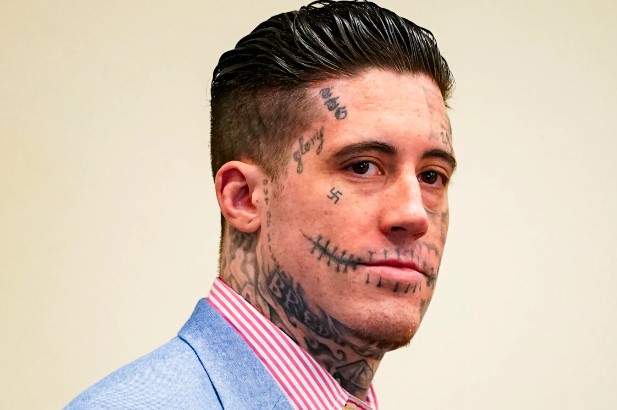
Wilson’s motivation for the murders was described as “for the sake of killing,” indicating a lack of clear rationale or remorse. His swastika tattoo and troubled past, including drug addiction and abandonment issues, played a significant role in shaping his actions.
The combination of Wilson’s psychological state, personal history, and substance abuse created a volatile mix that contributed to his violent behavior. Analyzing these factors provides a clearer picture of the motivations behind his heinous acts.
Public Reaction and Media Coverage
The public reaction to Wade Wilson’s crimes and the media coverage they generated were significant aspects of the case. The media played a crucial role in shaping public perception and disseminating information about the case.

Media portrayal of Wilson and the crimes varied, with some outlets focusing on the sensational aspects while others aimed for more in-depth analysis. The coverage contributed to the public’s understanding of the case and highlighted the impact of Wilson’s actions on the community.
Public response to the case was marked by shock and outrage, reflecting the severity of the crimes and the emotional impact on the victims’ families. The case became a focal point for discussions on crime, punishment, and mental health.
The Legacy of Wade Wilson
The legacy of Wade is defined by his criminal actions and their impact on the victims’ families and the community. His crimes have left a lasting mark and continue to influence discussions on crime and justice.
The case has also sparked conversations about the factors contributing to violent behavior and the need for better mental health support and intervention. Wilson’s story serves as a reminder of the importance of addressing underlying issues that can lead to such extreme behavior.
The long-term impact of Wilson’s actions extends beyond the immediate aftermath, affecting the community’s sense of safety and the ongoing discussions about crime and punishment. His legacy is one of tragedy and a stark reminder of the consequences of unchecked violence.
Read Also:- Who is Natasha Danish Ali? All about Pak Industrialist’s Wife Accused Of Killing 2