Who is Natasha Danish Ali? All about Pak Industrialist’s Wife Accused Of Killing 2


Natasha Danish Ali, the wife of prominent businessman Danish Iqbal, found herself at the center of a devastating accident that claimed two lives. On August 19, 2024, Karachi, Pakistan, witnessed a tragic event that has since captured the nation’s attention. This incident, occurring on the bustling Karsaz Road, unfolded with Natasha driving her Toyota Land Cruiser. What started as a routine day quickly turned into a nightmare when her vehicle collided with multiple other vehicles, including motorcycles and a parked car.
The aftermath was grim: a father and his young daughter lost their lives instantly, while four others were rushed to nearby hospitals with injuries. The shockwaves from this incident have reverberated through the community, leading to intense public scrutiny and media coverage. As we delve into the details of this tragic event, it’s crucial to understand the broader implications and the human story behind the headlines.
The Fateful Day
The fateful day was August 19, 2024. Karachi, a city known for its bustling streets and vibrant life, became the backdrop for a tragic event. Natasha Ali was driving her Toyota Land Cruiser through Karsaz Road, a major thoroughfare in the city. This road, known for its heavy traffic and frequent congestion, was the scene where Natasha’s vehicle would soon become the epicenter of a catastrophic accident.
The collision occurred during what should have been a routine journey. The streets were busy with commuters, and Natasha’s Land Cruiser navigated through the traffic with a sense of normalcy that would soon be shattered. The impact of the accident not only changed the lives of those directly involved but also drew widespread attention from the public and media.
Details of the Accident
As Natasha attempted a turn on Karsaz Road, her Land Cruiser collided with several vehicles. The impact was severe, involving multiple motorcycles and a parked car. The sequence of events unfolded quickly: Natasha’s vehicle struck the motorcycles, which were carrying passengers, and then crashed into the parked car.
The immediate aftermath was chaotic. The collision resulted in the death of a father and his young daughter, who were on one of the motorcycles. Their deaths were instantaneous, marking the accident with an added layer of tragedy. In addition to the fatalities, four individuals sustained various injuries and were transported to nearby hospitals for emergency medical care. The severity of the injuries ranged from minor to critical, adding to the overall tragedy of the event.

Natasha Danish Ali Wiki | BIO
| Category | Details |
|---|---|
| Full Name | Natasha Danish Ali |
| Age | 32 years old (as of August 2024) |
| Place of Birth | Karachi, Pakistan |
| Nationality | Pakistani |
| Marital Status | Married to Danish Iqbal |
| Spouse | Danish Iqbal |
| Residence | KDA Scheme-I, Karachi, Pakistan |
| Incident Date | August 19, 2024 |
| Vehicle Involved | Toyota Land Cruiser |
| Accident Location | Karsaz Road, Karachi, Pakistan |
| Public Reaction | Outrage and shock |
| Legal Status | Under 14-day judicial remand; facing charges for causing death and injuries through reckless driving. |
| Mental Health Claims | Defense claims she is mentally unstable and under medication for mental stress. |
| Family Background | Wife of prominent businessman Danish Iqbal |
| Socioeconomic Status | Affluent; lives in a high-end neighborhood of Karachi. |
Emergency Response
Emergency services responded swiftly to the scene of the accident. Ambulances and rescue teams arrived promptly, working to provide immediate assistance to the injured and to manage the aftermath of the collision. The injured were rushed to local hospitals, where medical teams provided critical care. The scene was marked by a flurry of activity as emergency personnel worked to address the needs of those affected by the accident.
The response from emergency services was crucial in managing the immediate impact of the accident. Their efforts helped to mitigate the extent of the tragedy by ensuring that those who survived had the best possible chance for recovery. The swift action of the rescue teams highlighted the importance of emergency preparedness and response in such critical situations.
The Controversial Smile
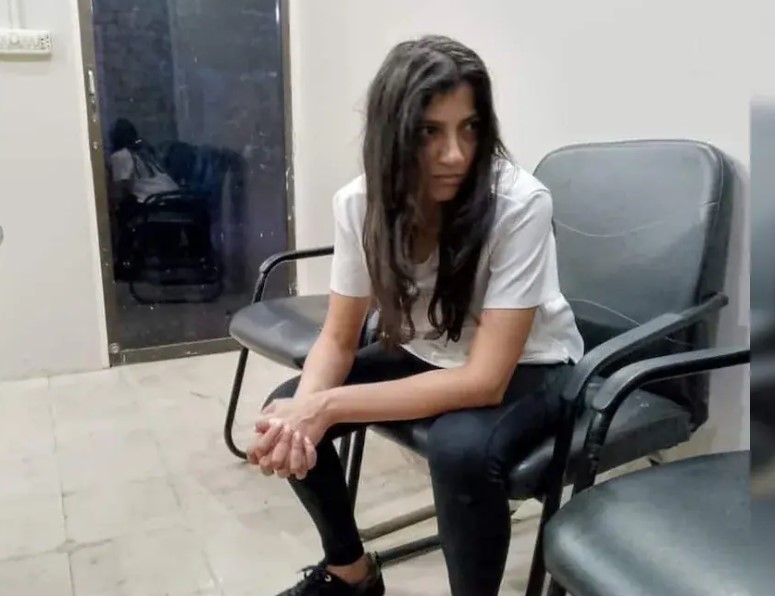
In the days following the accident, a series of videos and photographs emerged on social media, capturing Natasha Danish Ali’s demeanor at the scene. The footage showed Natasha with a seemingly detached smile, which contrasted starkly with the gravity of the situation. This reaction quickly went viral, sparking outrage and disbelief among the public.
The images and videos circulated widely, with many viewers expressing shock and anger at Natasha’s apparent lack of remorse. The contrast between her demeanor and the tragic circumstances led to a surge of criticism and condemnation online. Social media platforms became a battleground for discussions about Natasha’s actions and the broader implications of her behavior.

Public Perception
The viral clips of Natasha’s smile and her comments, including the infamous remark, “Tum mere baap ko nahi jantay” (You don’t know who my father is), added fuel to the fire of public outrage. The perception of her as unremorseful and arrogant contributed to a growing sense of indignation among viewers.
Public opinion was heavily influenced by the footage, with many condemning Natasha for her perceived insensitivity. The reaction was not only about the accident itself but also about the apparent disregard for the seriousness of the situation. This public outcry underscored the role of media and social media in shaping perceptions and fueling societal debates.
Media Coverage
The media coverage of Natasha Ali’s case has been extensive and intense. News outlets have highlighted the controversy surrounding her demeanor, focusing on the viral content and public reactions. The coverage has played a significant role in shaping the narrative and keeping the story in the public eye.
The media’s focus on Natasha’s behavior and the subsequent public reaction has added to the complexity of the case. While the media has provided detailed reporting on the incident, it has also contributed to the polarization of opinions and the ongoing debate about accountability and privilege. The coverage reflects the broader societal interest in high-profile cases and the ways in which media narratives can influence public perception.
Natasha Danish Ali: Personal Background
Natasha Danish was born and raised in Karachi, Pakistan, a city known for its rich history and cultural diversity. Growing up in Karachi, Natasha was exposed to the vibrant urban life that characterizes the city. Her upbringing in such an environment likely influenced her worldview and aspirations.
Natasha’s early education took place in Karachi’s esteemed schools, where she demonstrated academic promise. As she advanced in her studies, she pursued higher education in one of Karachi’s prominent institutions. Her educational background, combined with her family’s social standing, set the stage for her later life and contributed to her privileged position in society.
Family and Marital Status
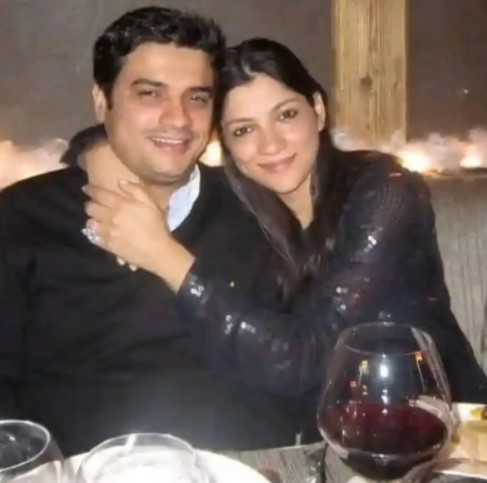
At the heart of Natasha’s personal story is her marriage to Danish Iqbal, a notable figure in the business world. Danish Iqbal is the Chairman of Gul Ahmed Energy Limited and Metro Power Group, among other affiliations. His prominence in the business sector provided Natasha with a lifestyle of considerable affluence and influence.
Their marriage placed Natasha in a high-profile social circle, where her public actions were closely scrutinized. This connection to Danish Iqbal and his business empire added to the public interest in her personal life, especially in the wake of the tragic accident.
See Also:- Who is Gaynor Rupert? All about Johann Rupert’s Wife
Lifestyle and Privileges
Natasha Ali’s lifestyle reflects the affluence associated with her family’s status. Residing in the upscale KDA Scheme-I area of Karachi, her home is situated in one of the city’s most prestigious neighborhoods. The area is known for its luxurious residences and affluent residents, underscoring the privilege and comfort in which Natasha lives.
Her lifestyle is characterized by the opulence typical of Karachi’s elite, with access to exclusive social circles and high-end amenities. This background has played a significant role in shaping public perceptions of her, particularly when contrasted with the tragedy of the accident and her subsequent legal troubles.
Danish Iqbal: The Husband and Businessman
Danish Iqbal is a prominent businessman and the Chairman of Gul Ahmed Energy Limited, a key player in Pakistan’s energy sector. His role extends to Metro Power Group, where he holds significant influence. Danish’s business ventures are integral to Karachi’s economic landscape, and his reputation as a successful entrepreneur adds a layer of complexity to the case involving his wife.
As a figure of considerable power and wealth, Danish Iqbal’s position has inevitably drawn attention to the impact of the incident on his professional life. The scrutiny surrounding Natasha’s actions has extended to questions about how her behavior reflects on Danish and his business interests.
Impact of the Incident on His Business
The accident involving Natasha Danish Ali has had ripple effects on Danish Iqbal’s business reputation. Public perception of the incident has inevitably influenced views on Danish’s professional conduct and the integrity of his business operations. The media coverage and social media reactions have added pressure on Danish to address the situation and manage the fallout from the accident.
The potential impact on his business could include reputational damage and scrutiny from stakeholders and the public. Danish’s ability to navigate these challenges while maintaining his business interests will be closely watched in the coming months.
Legal Aspects and Proceedings
Natasha Ali faces significant legal challenges following the accident. She has been charged with causing death and injuries through reckless driving. The legal proceedings against her are unfolding as she remains in custody on a 14-day judicial remand. This period allows for further investigation and legal preparations before formal charges are presented in court.
The legal status of Natasha’s case is a crucial aspect of the broader narrative. The outcome of these proceedings will determine her accountability and the potential consequences she faces. The legal process will be closely monitored by the public and media, reflecting the high-profile nature of the case.
Mental Health Claims
Natasha’s defense has introduced claims about her mental health, asserting that she was not in a stable condition at the time of the accident. Her lawyer has indicated that Natasha receives medication for mental stress, suggesting that her mental state may have influenced her actions on that day.
The assertion of mental instability raises important questions about the intersection of mental health and legal responsibility. The court will need to consider whether Natasha’s mental state played a role in the accident and how it should be factored into the legal proceedings.
Court Proceedings and Public Reaction
The court proceedings in Danish Ali’s case are a focal point of public interest. As the legal process progresses, updates on the case will be widely reported and analyzed. Public reactions to the court proceedings will likely continue to reflect a mix of outrage, empathy, and scrutiny.
The media coverage of the legal proceedings will play a significant role in shaping public perceptions and understanding of the case. As the story develops, the balance between reporting on the facts and addressing the emotional and societal implications will be crucial in providing a comprehensive view of the situation.
The Human Narrative
In reporting on Natasha Danish Ali’s story, it is essential to balance empathy with a commitment to justice. While the facts of the case are critical, the human dimension adds depth to the narrative. Understanding the personal and emotional aspects of the situation helps to create a more nuanced portrayal of the events and their impact.
Balancing empathy with justice involves recognizing the grief and suffering of the victims’ families while also addressing the legal and societal implications of Natasha’s actions. This approach ensures that the coverage remains fair and respectful while providing a thorough examination of the case.
Impact on the Victims’ Families
The tragic accident has had profound effects on the families of the deceased. The loss of a father and his daughter has left a void that cannot be filled, and the surviving family members face significant emotional and practical challenges. Support for the victims’ families, including legal and financial assistance, is crucial in helping them navigate the aftermath of the tragedy.
The impact on the victims’ families extends beyond immediate grief. The accident has disrupted their lives and raised questions about how to seek justice and find closure. The broader societal response to their situation will play a role in shaping their experience and the support they receive.
Societal Implications
The case of Natasha Ali highlights broader societal issues related to privilege, accountability, and justice. It serves as a reminder that wealth and social status do not exempt individuals from facing consequences for their actions. The public and media reactions reflect ongoing discussions about fairness and the role of influence in legal and social contexts.
The societal implications of the case extend to discussions about the need for equitable legal processes and the importance of holding individuals accountable regardless of their status. This case provides an opportunity for reflection on how societal values and norms influence the pursuit of justice.
Read Also:- Who is Vilma Otero? Florida Teacher Arrested for Allegedly Using a Chokehold on a 3-Year-Old with Autism