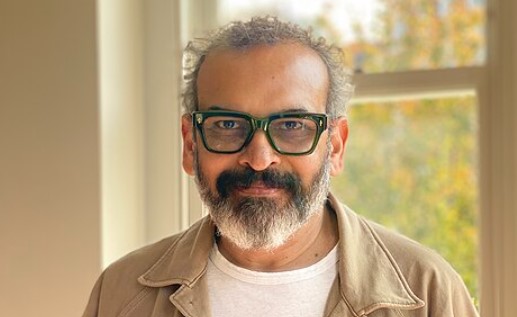
Subodh Gupta is one of India’s most famous contemporary artists, often called the “Damien Hirst of Delhi” by international media. He is known for turning simple Indian household items like steel plates, milk pails, and bicycles into powerful works of art that speak to the world. His creations are not just about beauty; they tell stories of India’s changing society, migration, and everyday life.
Born in Bihar in 1964, Gupta rose from a modest background to become a global name in art. Today, his works are displayed in leading museums and galleries across Europe, America, and Asia. Collectors and critics admire him for his ability to take ordinary objects and give them extraordinary meaning. His journey from a small town in Bihar to the world stage is inspiring, showing how talent and determination can break barriers.
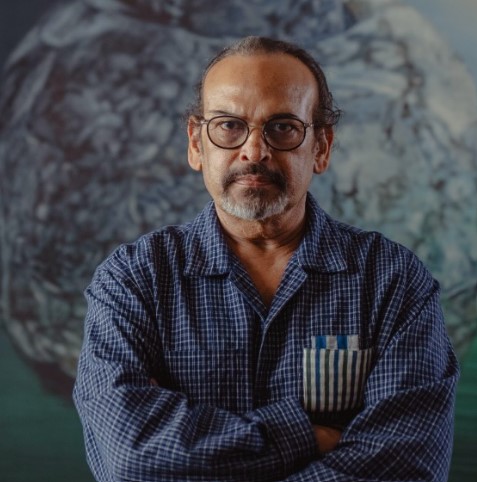
Subodh Gupta Age, Wife, Career, Family, Biography
| Attribute | Details |
|---|---|
| Full Name | Subodh Gupta |
| Date of Birth | January 1964 |
| Age (as of 2026) | 62 years |
| Birthplace | Khagaul, Bihar, India |
| Nationality | Indian |
| Profession | Contemporary Artist |
| Education | College of Arts and Crafts, Patna (1983–1988) |
| Known As | “Damien Hirst of Delhi” |
| Father | Railway Guard (deceased) |
| Mother | Farmer |
| Spouse | Bharti Kher (Contemporary Artist) |
| Children | Son – Omi Gupta; Daughter – Lola Gupta |
| Residence | Gurgaon, Haryana, India |
| Early Career | Theatre actor, poster designer, newspaper illustrator |
| Breakthrough Works | My Mother and Me (1997), Bihari (1999) |
| Famous Installations | Very Hungry God (2006), Line of Control (2008), Banyan Tree (2014), What Does the Vessel Contain… (2012) |
| Notable Painting | Saat Samundar Paar (2008) – sold for ₹34 million |
| Global Exhibitions | Armory Show (2002), Frieze (2005), Art Basel (2006), Venice Biennale |
| Representation | Nature Morte (India), Hauser & Wirth (International) |
| Controversies | 2018 misconduct allegations (settled in 2020) |
| Recent Highlights (2026) | Designed “Aam Aadmi” mango clutch for Isha Ambani at MET Gala; metallic mask for Ananya Birla |
| Awards & Recognition | Among India’s most expensive contemporary artists |
| Artistic Style | Everyday Indian household objects (steel utensils, bicycles, tiffins) |
| @subodhguptastudio/ | |
| Wikipedia | @Subodh_Gupta |
Early Life and Childhood Struggles
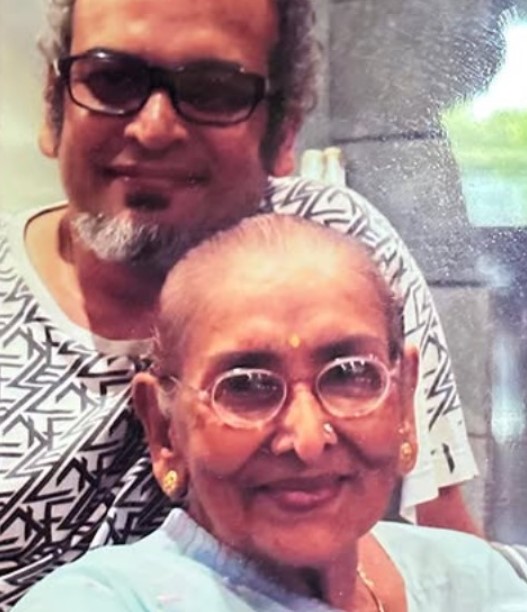
Subodh was born in Khagaul, Bihar, in January 1964. His father worked as a railway guard, but tragedy struck when he passed away early. Gupta’s mother, a farmer, raised him and his siblings with limited means. Growing up in rural Bihar was not easy. He often walked barefoot to school because his family could not afford shoes. The roads were rough, and life was full of challenges.
Gupta studied at the College of Arts and Crafts in Patna between 1983 and 1988. During his college years, he worked part-time as an illustrator for a local newspaper to support himself. He often felt that the college lacked proper infrastructure, which made learning difficult. Yet, he remained determined to pursue art.
Family and Personal Life
Subodh Gupta is married to Bharti Kher, another leading contemporary artist from India. Together, they form one of the most powerful couples in the art world. Their partnership is not just personal but also professional, as both share ideas and inspire each other’s work.
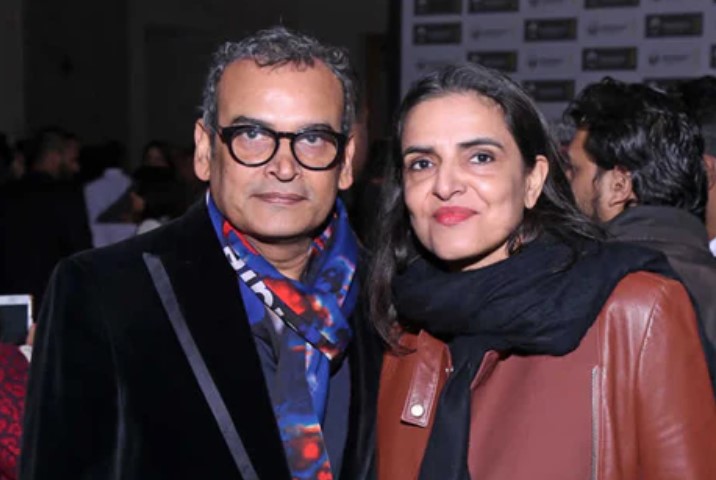
The couple has two children – a son named Omi Gupta and a daughter named Lola Gupta. They live in Gurgaon, near Delhi, where Gupta has his studio. Despite his global fame, Gupta remains rooted in family life. He often speaks about how his wife and children give him strength and balance.
Theatre and Poster Designing Phase
He acted in village plays and designed posters for performances. This phase gave him confidence in storytelling and helped him understand how visuals can influence emotions. Theatre taught him the importance of drama, which later became a part of his art installations.
Designing posters also gave him practical skills in composition and colour. He realised that art could reach people in simple ways, whether through a poster or a painting. His shift from theatre to fine arts was natural, as he wanted to explore deeper themes and create lasting works.
Breakthrough Works and Recognition
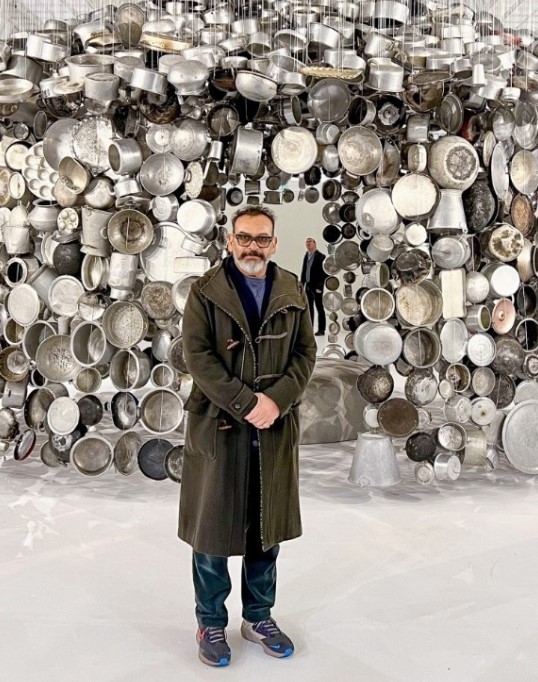
Subodh’s career took a big turn in the late 1990s. His early works were bold and unusual, often using materials that most people would never imagine as art. One of his first major works was “My Mother and Me” (1997), a structure made from cow dung and ash.
Another important work was “Bihari” (1999), a self-portrait created with cow dung and LED lights. It was deeply personal, reflecting his roots in Bihar and the struggles of identity. These works gave him recognition at international art events like the Fukuoka Asian Art Triennale (1999) and the Gwangju Biennale (2000).
See Also:- Sanskruti Jayana
Global Exhibitions and Fame
By the early 2000s, Gupta’s art had reached global platforms. He exhibited at the Armory Show in New York (2002), Frieze Art Fair in London (2005), and Art Basel in Switzerland (2006). His works stood out because they carried the flavour of India but spoke to universal themes of migration, memory, and daily life.
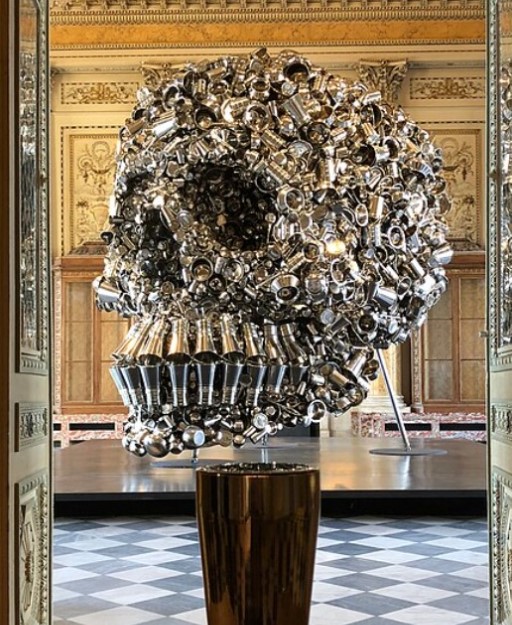
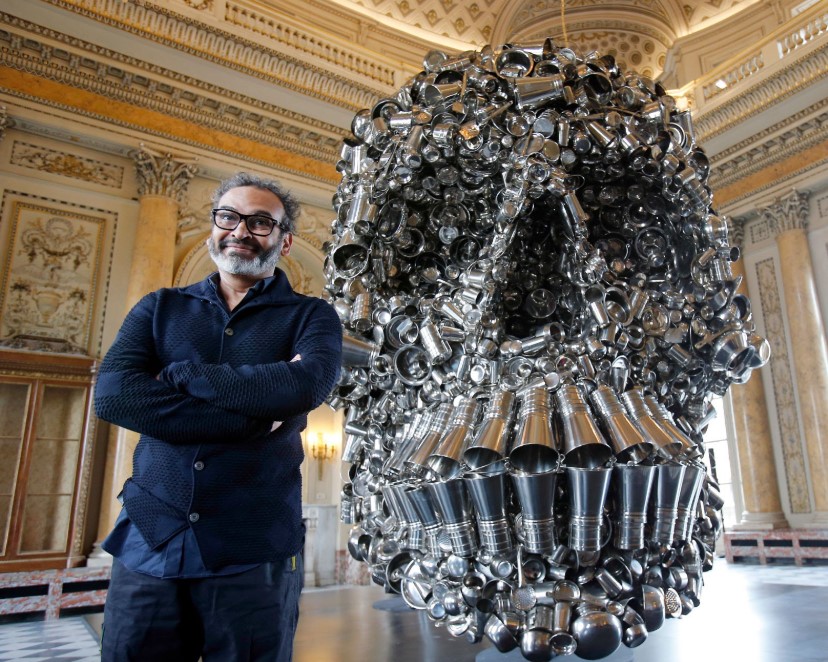
One of his most famous pieces, “Very Hungry God” (2006), was a giant skull made entirely of kitchen utensils. This work was bought by French billionaire François Pinault, a major art collector. The piece was later displayed at the Venice Biennale, one of the most prestigious art events in the world. This moment marked Gupta’s arrival on the global stage.
Landmark Creations
Over the years, Gupta has created several landmark works that remain iconic. One of them is “Line of Control” (2008), a massive mushroom cloud made of pots and pans. The installation was displayed at the Kiran Nadar Museum of Art in Delhi and became one of his most talked-about works.
Another masterpiece is “What Does the Vessel Contain, That the River Does Not” (2012), a large boat filled with found objects. In 2014, Gupta created “Banyan Tree”, a stainless steel installation at the National Gallery of Modern Art in New Delhi. His painting “Saat Samundar Paar” (2008), an oil on canvas, was sold for ₹34 million.
Controversies and Challenges
Like many public figures, Subodh has faced controversies. In 2018, he was accused of sexual misconduct through anonymous posts on Instagram. The allegations created a storm in the art world, and Gupta stepped down temporarily from his gallery representation. However, he later filed a defamation case, and in 2020, the matter was settled. The accusations were withdrawn, and Gupta resumed his career.
This episode showed how even celebrated artists are not free from challenges. While his reputation took a hit for some time, Gupta managed to rebuild his standing in the art community. Critics also point out that his work sometimes repeats similar themes, but Gupta defends his style, saying that everyday objects always carry new meanings.
Recent Highlights (2026)
Even today, Gupta continues to surprise audiences with new creations. In April 2026, his design made headlines when Isha Ambani carried a mango-shaped clutch called “Aam Aadmi” at the MET Gala. The clutch was designed by Gupta and symbolised India’s love for mangoes, blending humour with luxury.
Another highlight was his collaboration with entrepreneur Ananya Birla, for whom he created a custom metallic face mask. These works show Gupta’s ability to move beyond traditional art spaces and enter fashion and lifestyle. His name remains strong in global art magazines, and he continues to be invited to exhibitions worldwide.
Interesting Facts
- Subodh once acted in the Bollywood film Haasil (2003), where he appeared alongside Irrfan Khan.
- He enjoys cooking and often spends time in the kitchen, which also inspires his art.
- His works blend themes of rituals, migration, and memory, reflecting his rural upbringing.
- International media has called him “India’s hottest new artist.”
- Gupta’s art often carries humour, like the mango clutch, showing his playful side.
- Subodh Gupta is often listed among India’s most expensive contemporary artists.
- He is represented by leading galleries like Nature Morte in India and Hauser & Wirth internationally.
Read Also:- Luciana Faulhaber