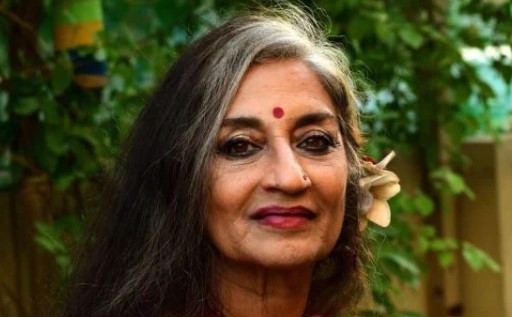
Sheema Kermani is one of Pakistan’s most renowned cultural icons. Born in 1951, she has spent more than five decades using dance, theatre, and activism to speak about women’s rights and social justice. She is best known as a classical dancer, theatre director, actress, and feminist activist. Her name became globally popular after her graceful Bharatanatyam performance in Coke Studio’s viral song Pasoori in 2022.
Her journey is not just about art but about resistance. During the military rule of General Zia-ul-Haq in the late 1970s and 1980s, when dance was banned in Pakistan, Sheema stood firm. She performed in public wearing sarees and bindis, challenging the restrictions placed on women. Today, she is celebrated not only for her artistic talent but also for her fearless activism.
Sheema Kermani Career, Age, Husband, Family, BIO
| Attribute | Details |
|---|---|
| Full Name | Sheema Kermani |
| Date of Birth | 16 January 1951 |
| Age (as of 2026) | 75 years |
| Birthplace | Rawalpindi, Punjab, Pakistan |
| Nationality | Pakistani |
| Profession | Classical Dancer, Theatre Director, Actress, Activist |
| Known For | Founder of Tehrik-e-Niswan; Feminist activism; Coke Studio Pasoori (2022) |
| Height | 5 feet 5 inches (165 cm) |
| Eye Colour | Light Brown |
| Hair Colour | Salt and Pepper |
| Education | Convent Schools (Rawalpindi & Karachi); Croydon College (London); University of Punjab (Fine Arts); University of Karachi (Master’s & MPhil in History) |
| Father | Brigadier in Pakistan Army; later Chairman of Karachi Electric Supply Corporation |
| Mother’s Family | From Hyderabad Deccan, India |
| Siblings | One brother and one sister |
| Husband | Khalid Ahmed (Pakistani theatre actor, director, and producer) |
| Children | None (personal choice) |
| Major Works | Dastak (1986), A Rented Child (2004), Poshak (2010) |
| Organisation Founded | Tehrik-e-Niswan (1979) |
| Awards & Honours | Women of Inspiration Award (2012), ACHA Peace Star Award (2013), Pride of Performance (2023), HUM Women Leaders Award (2024), National Icon Award (2024) |
| Documentary | With Bells On Her Feet (2019) |
| Activism Highlights | Dhamal at Sehwan Shrine (2017); Aurat March participation; tributes to Asma Jahangir & Munno Bhai |
| Teaching | Szabist University, Karachi; National College of Arts, Lahore; Indus Valley School of Art & Architecture |
| Ideology | Feminist, Marxist |
| @sheemakermani/ | |
| IMDb | @nm4163328/ |
| Wikipedia | @Sheema_Kermani |
Early Life and Family Background
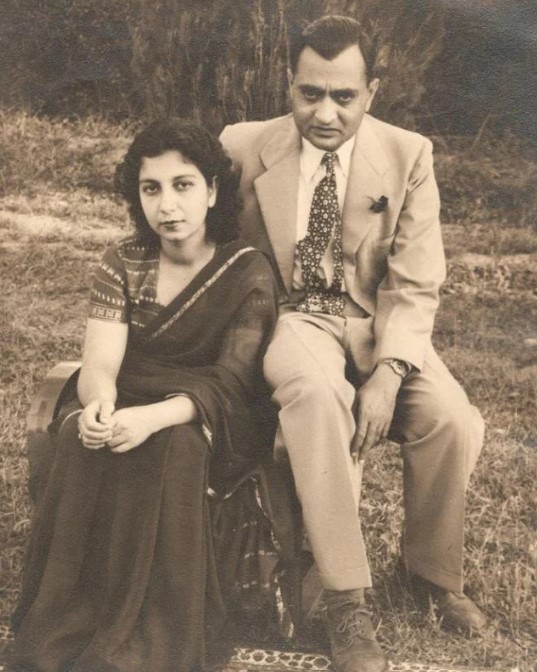
Sheema was born on 16 January 1951 in Rawalpindi, Punjab, Pakistan. She belongs to a Muhajir family, as her parents migrated from India during the Partition in 1947. Her father was a Brigadier in the Pakistan Army and later became Chairman of the Karachi Electric Supply Corporation. Her mother’s family came from Hyderabad Deccan, India.
Sheema is the middle child in her family, with one elder brother and one younger sister. Growing up in a military household, discipline was part of her daily life. Yet, her family also valued culture and literature. During school vacations, she often visited her maternal grandparents in India. These visits exposed her to Indian classical music and dance, sparking her lifelong passion for the arts.
Physical Appearance
Sheema is known for her graceful presence. Kermani stands at 5 feet 5 inches (165 cm) tall. Her eyes are light brown, and her hair has turned salt and pepper with age. Even in her seventies, she carries herself with elegance.
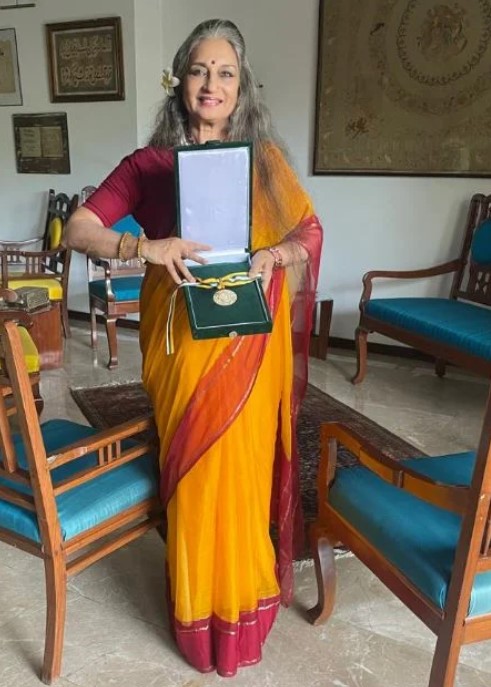
Her trademark style is the saree, which she wears as a symbol of cultural resistance. During times when sarees were discouraged in Pakistan, she continued to wear them proudly. This simple choice of clothing became a powerful statement of identity and defiance.
Marriage and Personal Life
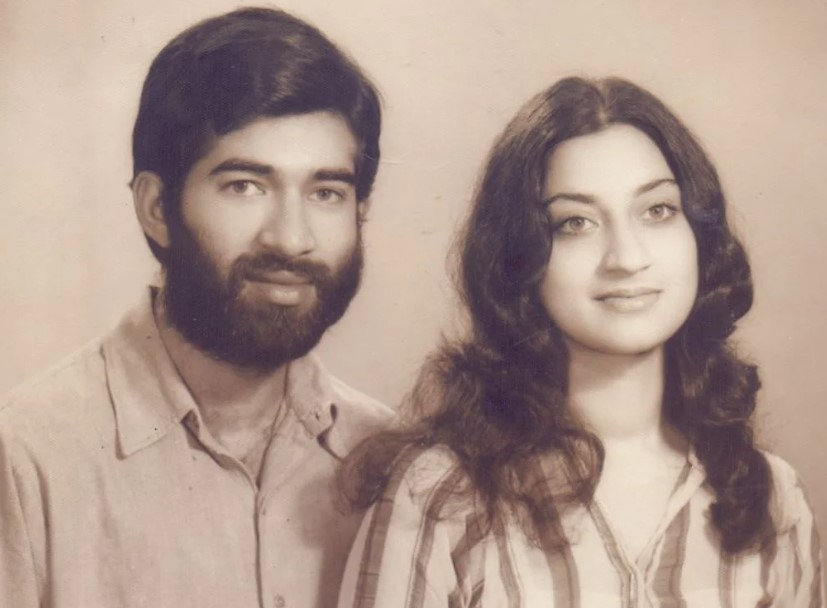
Sheema is married to Khalid Ahmed, a respected Pakistani theatre actor, director, and producer. The couple has worked together on many cultural projects, combining their talents to promote theatre and social awareness.
Unlike many women of her generation, Sheema made a personal choice not to have children. She has openly said that she never desired motherhood, and her husband supported her decision. Instead, she dedicated her life to the children and women of working-class communities in Pakistan, advocating for their rights and equality.
Education and Academic Achievements
Sheema studied at convent schools in Rawalpindi and Karachi, including Presentation Convent High School and Convent of Jesus and Mary. Later, she attended Karachi Grammar School for her A-levels. Her higher education took her abroad to Croydon College in London, where she studied Fine Arts.
She returned to Pakistan and earned a Bachelor’s degree in Fine Arts from the University of Punjab, Lahore, followed by a Master’s and MPhil in History from the University of Karachi. Her academic journey gave her a strong foundation in both arts and history.
Journey into Dance and Theatre
Sheema’s love for the arts began at a very young age. At just eight years old, she started learning piano and Western classical music. By the age of thirteen, she was introduced to Indian classical dance in Karachi. She trained under Guru Ghanshyam and his wife, who had moved to Pakistan after Partition. This early training gave her a strong base in Bharatanatyam.
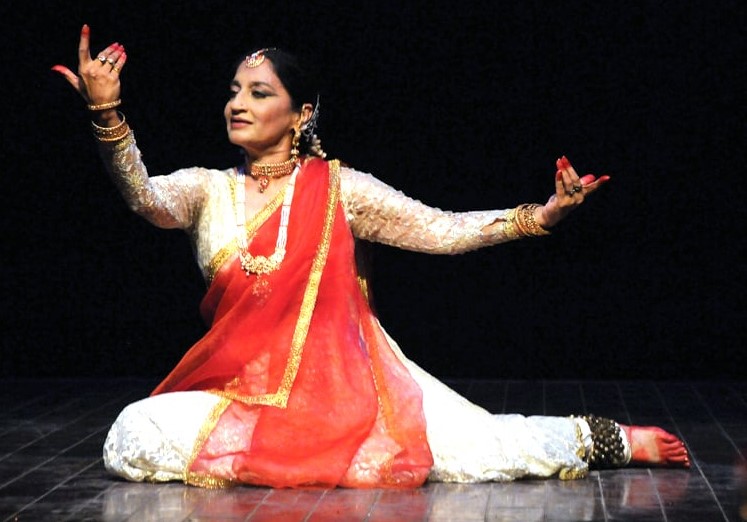
Later, she travelled to India to learn from some of the most respected dance masters. She studied Kathak under Birju Maharaj, Odissi under Kelucharan Mohapatra, and continued her Bharatanatyam training under Leela Samson. During the military regime of General Zia-ul-Haq in the late 1970s, dance was banned in Pakistan.
See Also:- Nafisat Abdullahi
Founding Tehrik-e-Niswan (1979)
In 1979, Sheema founded Tehrik-e-Niswan (Women’s Movement) in Karachi. The group used theatre and dance to talk about women’s rights, social justice, and equality. At a time when women were expected to stay silent, Sheema gave them a stage to speak.
Through Tehrik-e-Niswan, she organised plays, workshops, and cultural events. The group performed in working-class neighbourhoods, schools, and community centres. Their plays often highlighted issues like domestic violence, poverty, and discrimination. By combining art with activism, Sheema created a powerful movement that still continues today.
Career Highlights in Theatre, Film, and Television
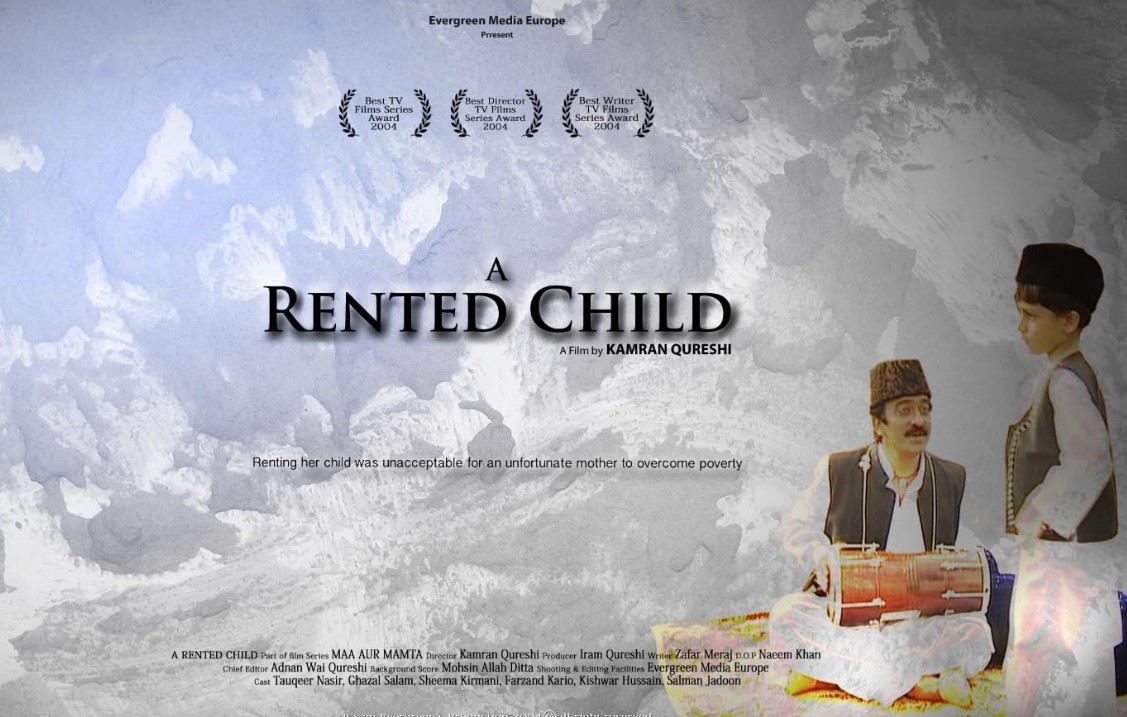
Sheema’s career spans across theatre, television, and film. She made her television debut in Dastak (1986), a drama that dealt with social issues. Later, she appeared in the telefilm A Rented Child (2004), which explored themes of exploitation and poverty.
In 2010, she acted in the film Poshak, which was screened at international festivals. She also worked with Indian theatre director Prasanna Ramaswamy, conducting workshops and performances that connected artists across borders. Plays like Jinnay Lahore Nai Dekhya and Zikr-e-Niswan became popular for their bold storytelling.
Awards and Recognitions
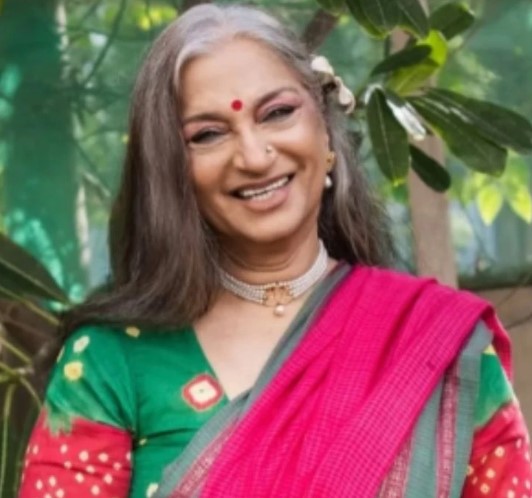
- Women of Inspiration Award (2012) – for her contribution to women’s rights.
- ACHA Peace Star Award (2013) – recognising her efforts in promoting peace through art.
- Pride of Performance (2023) – one of Pakistan’s highest civil awards.
- Kashmir HUM Women Leaders Award (2024) – honouring her leadership in activism.
- National Icon Award (2024) – celebrating her lifelong dedication to culture and equality.
Activism and Bold Performances
She has always used her performances to speak about freedom, equality, and justice. One of her most memorable acts came in 2017, after a terrorist attack at the shrine of Lal Shahbaz Qalandar in Sehwan. While many were afraid, Sheema performed the Dhamal dance at the shrine as a tribute to the victims.
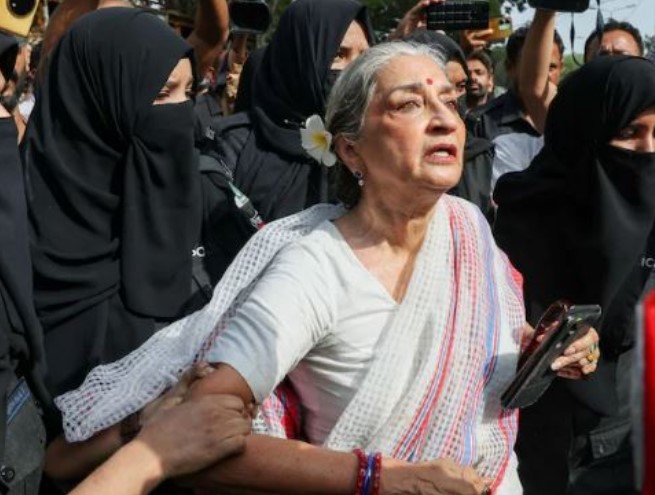
She also paid tribute to human rights activist Asma Jahangir and writer Munno Bhai at the Faiz Aman Mela in 2018. In 2022, she appeared in Coke Studio Season 14’s “Pasoori”, performing Bharatanatyam. In May 2026, she was briefly detained while preparing for the Aurat March in Karachi.
Documentaries and Global Recognition
Sheema’s life and work have been captured in documentaries. The most famous is “With Bells On Her Feet” (2019), which tells the story of her journey as a dancer and activist. The film was screened at international festivals and won awards like Best Short Film and Audience Choice Award at the South Asian Film Festival of Montreal in 2020.
Through these documentaries, her message reached audiences outside Pakistan. Sheema became known as a cultural ambassador who used art to fight for justice. Her story inspired many women across South Asia to believe in their own strength.
Teaching and Mentorship
Apart from performing, Sheema has dedicated her life to teaching. She has taught arts and culture at Szabist University in Karachi, National College of Arts in Lahore, and Indus Valley School of Art & Architecture. Many of her students have gone on to become artists and activists themselves.
Sheema believes that teaching is as important as performing. By passing on her knowledge, she ensures that classical dance and theatre continue to thrive in Pakistan. Her mentorship has created a new generation of performers who see art as a tool for social change.
Read Also:- Fernanda Vegas