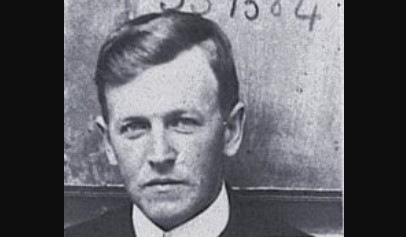
George Symons, aka George Thomas Macdonald Symons, is remembered today as one of the sailors who lived through the sinking of the RMS Titanic in April 1912. Born in Weymouth, England, he was only 24 years old when he found himself in the middle of one of the most famous disasters in history. His role as a lookout and later as the man in charge of Lifeboat No. 1 made him part of a story that continues to fascinate people more than a century later.
The Titanic was not just a ship; it was a symbol of human ambition and pride. When it sank, it left behind thousands of stories of courage, survival, and heartbreak. Symons’ journey is one of those stories. His life shows us how ordinary men became part of extraordinary events. From his early days in Dorset to his service in World War I, Symons lived a life that was shaped by the sea.
George Symons BIO, Career, Wife, Family, Death
| Attribute | Details |
|---|---|
| Full Name | George Thomas Macdonald Symons |
| Birth Date | 23 February 1888 |
| Birth Place | Weymouth, Dorset, England |
| Parents | Robert James Symons (father), Bessie Newman (mother) |
| Siblings | One of thirteen children (one died in infancy) |
| Occupation | Sailor, Titanic crew member (Lookout) |
| Titanic Role | Assigned as lookout; later commanded Lifeboat No. 1 |
| Lifeboat Controversy | Lifeboat No. 1 launched with only 12 people, including the Duff-Gordons |
| Rescue Ship | RMS Carpathia (reunited with brother Jack aboard) |
| Marriage | Married Mary Jane Bolt |
| Children | Two daughters |
| Military Service | Royal Naval Volunteer Reserve during World War I |
| Later Residence | Southampton, England |
| Death Date | 3 December 1950 |
| Death Place | Southampton, England |
| Age at Death | 62 years |
| Legacy | Remembered as Titanic survivor, sailor, and war veteran |
| Wikipedia | @George_Symons_(sailor) |
Early Life in Weymouth, Dorset
George Symons was born on 23 February 1888 in Weymouth, a coastal town in Dorset, England. His mother, Bessie Newman, oversaw a sizable family, while his father, Robert James Symons, was a steamship firefighter. George was one of thirteen children, though sadly one of his siblings died in infancy. Growing up in such a big family meant that life was often busy and full of responsibility.
The Symons family lived in modest homes in Weymouth, moving between addresses as recorded in census documents. Like many boys in coastal towns, George grew up surrounded by the sights and sounds of the sea. Ships, sailors, and fishing boats were part of everyday life, and it was natural for him to be drawn to a career on the water.
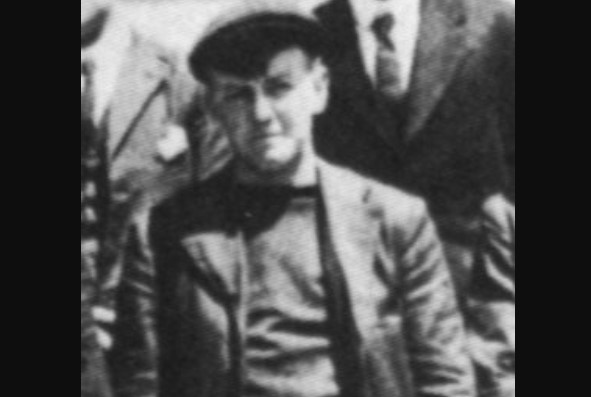
Path to the Sea: Choosing a Sailor’s Life
By the time George was a young man, the sea had already become his calling. He trained and worked as a sailor, gaining experience that prepared him for larger ships. His work was not glamorous, but it was steady and respected. Like many men from Weymouth, he saw the sea as both a livelihood and a way to see the wider world.
George was known to be close to another sailor, Archie Jewell, who also served on the Titanic. Their friendship and shared experiences as seamen connected them during the voyage. Symons’ skills and discipline earned him a place on the Titanic’s crew, where he was assigned as a lookout.
Role on the RMS Titanic
George Symons was given the position of lookout when he joined the Titanic’s crew in April 1912. Lookouts had one of the most important jobs on the ship. They stood high up in the crow’s nest, scanning the horizon for anything that might pose a danger. At night, this meant keeping a sharp eye out for icebergs.
On the evening of 14 April 1912, Symons was on duty with his friend Archie Jewell. Their shift ended just before midnight, and they were replaced by Reginald Lee and Frederick Fleet. Only minutes later, Fleet spotted the iceberg that would change history. Symons was no longer in the crow’s nest at that moment, but he was quickly called to help with the lifeboats once the ship struck the iceberg.
The Night of the Disaster: April 14–15, 1912
The Titanic struck the iceberg at 11:40 p.m. on 14 April. The collision tore open the ship’s hull, and water began to flood in. Crew members were ordered to prepare the lifeboats. Symons was told to help with one of the emergency cutters, which were smaller boats kept ready for quick use.
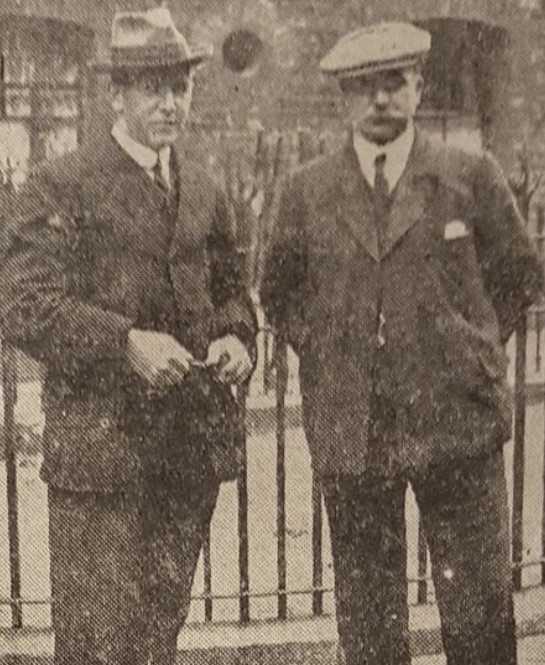
He was placed in charge of Lifeboat No. 1, a small boat located on the starboard side. His job was to row the boat away from the sinking ship once it was lowered into the water. This was a heavy responsibility, as panic was spreading and every lifeboat mattered.
See Also:- Ashley Adams
Lifeboat No. 1 Controversy
Lifeboat No. 1 became one of the most talked-about lifeboats after the disaster. It was launched with only 12 people aboard, even though it could carry many more. Among those inside were Sir Cosmo Duff-Gordon and Lady Duff-Gordon, a wealthy couple. The small number of passengers led to criticism later, as many lives could have been saved if more people had been placed inside.
Symons was the sailor in charge of rowing Lifeboat No. 1. He followed orders and did his duty, but the lifeboat’s low occupancy became a subject of debate during the official inquiries. Some accused the Duff-Gordons of influencing the situation, though they denied it. For Symons, the controversy was not of his making—he was simply carrying out instructions during a chaotic night.
Rescue and Reunion on the Carpathia
After hours adrift in the freezing Atlantic, Lifeboat No. 1 was spotted by the RMS Carpathia, the ship that came to rescue Titanic survivors. Symons and the others were taken aboard in the early hours of 15 April 1912. One of the most emotional moments for Symons was reuniting with his brother Jack, who was serving as a crew member on the Carpathia.
After the Titanic tragedy, George Symons returned to Britain and tried to rebuild his life. He married Mary Jane Bolt, and together they had two daughters. Family life gave him stability after the trauma of surviving such a disaster. Like many Titanic crew members, he did not often speak publicly about the sinking, but the memory of that night stayed with him.
Service in World War I
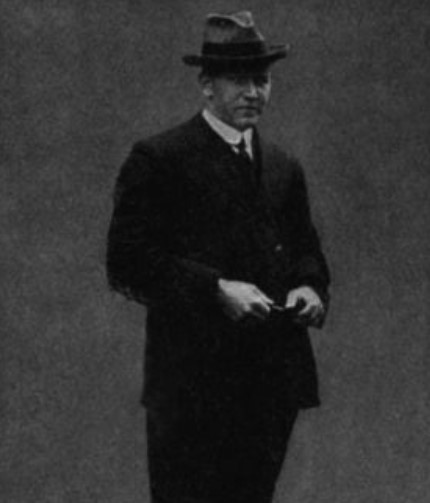
When the First World War began in 1914, Symons joined the Royal Naval Volunteer Reserve. His service showed his commitment to duty and country. During the war, he crossed paths with his brothers Jack and Bob, who were also serving.
The war was dangerous, and Bob was badly injured in battle. He survived, but the experience showed how much risk sailors and soldiers faced. For George, serving in the war was another chapter of resilience. He had already survived the Titanic, and now he was part of another global struggle. His contribution added to his legacy as a man who faced hardship with courage.
Later Years and Death
After the war, Symons settled back in Southampton. He lived a quieter life, away from the spotlight. His years at sea and his survival of the Titanic shaped him, but he remained a modest man.
George Symons passed away on 3 December 1950, at the age of 62. He was buried in Southampton, leaving behind his wife and daughters. His death marked the end of a life that had seen both ordinary family moments and extraordinary historical events.
Read Also:- Wish Bone