
Dr Lars-Christian Koch is a name that has become very important in the world of music and culture. Born in Germany, he spent most of his life studying Indian classical music and sharing it with the world. His work is not just about music but also about building bridges between cultures. In 2026, the Government of India honoured him with the Padma Shri, one of the country’s highest civilian awards, for his lifelong dedication to Indian music and traditions.
Koch’s journey is unique because he is a foreign scholar who fell in love with India’s rich musical heritage. He studied the deep philosophy behind Hindustani classical music, researched Rabindranath Tagore’s songs, and even documented the fading traditions of instrument-making in Kolkata. His work shows how music can connect people across borders and generations.
Dr Lars-Christian Koch Age, Career, Family, BIO, Spouse
| Attribute | Details |
|---|---|
| Full Name | Dr. Lars-Christian Koch |
| Date of Birth | 1959 |
| Age (as of 2026) | 67 years |
| Birthplace | Peine, Lower Saxony, Germany |
| Nationality | German |
| Education | Ph.D. in Musicology, Bonn University (1994); studied Ethnology |
| Profession | Ethnomusicologist, Professor, Museum Director |
| Known For | Research on Indian classical music, Rabindra Sangeet, and instrument-making traditions |
| Major Roles | Director of Staatliche Museen zu Berlin collections (Humboldt Forum, 2018); Director of State Ethnographic Collections of Saxony (SKD, Dresden, 2025); Head of Media at Berlin Phonogram Archive |
| Academic Positions | Professor at University of Cologne; Honorary Professor at University of the Arts, Berlin; Guest Professor at University of Vienna and University of Chicago |
| Key Publications | Sitar and Surbahar Manufacturing: The Tradition of Kanailal & Brother (2011); My Heart Sings: The Songs of Rabindranath Tagore Between Tradition and Modernity |
| Awards | Padma Shri (2026); Merck-Tagore Award (2026) |
| Mentor | Dr. Tripti Kuri Roy (West Bengal, India) |
| Research Focus | Hindustani classical music, Navarasas, Natyashastra, Rabindra Sangeet, Buddhist music, music archaeology |
| Residence (2026) | Germany (with frequent visits to India) |

Early Life and Background
Dr. Koch was born in 1959 in Peine, Lower Saxony, Germany. He grew up in a small town surrounded by history and culture. From a young age, he was curious about different traditions and wanted to understand how music shapes human emotions. This interest later took him to India, where he found his life’s calling.
Although he had a solid basis in Western culture from his upbringing in Germany, he was always pulled to something more profound. When he first encountered Indian music, he realised that it carried emotions and philosophies that were very different from what he had studied in Europe. This discovery changed his path forever.
Education and Academic Journey
Dr. Koch studied Ethnology and later completed a Ph.D. in Musicology at Bonn University in 1994. His doctoral research focused on the rasa doctrine, which is the foundation of North Indian classical music. He compared this with the Doctrine of Affections from Europe’s Baroque era, showing how both traditions use music to express emotions.

What made his research special was that he did not try to force Indian music into Western theories. Instead, he respected Indian traditions and explained them in their own terms. This approach helped Western scholars understand Indian music better and gave Indian traditions the recognition they deserved in global academia.
Professional Career Milestones
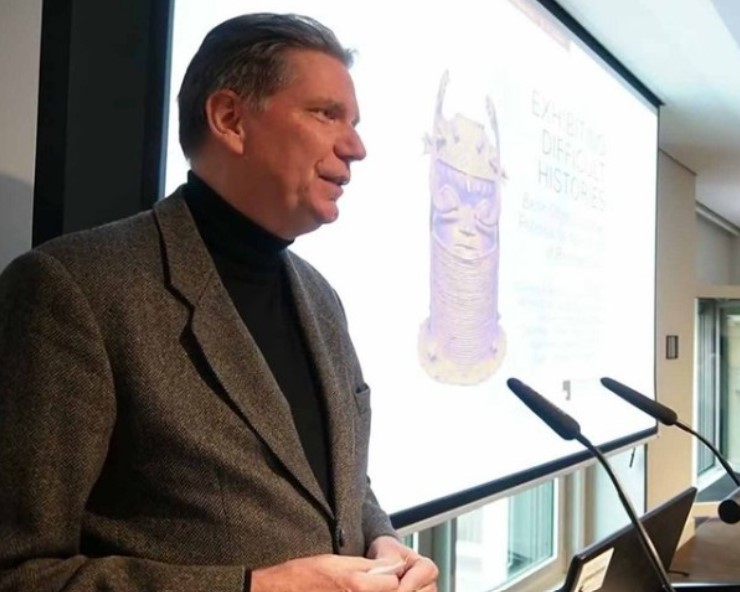
Dr. Koch’s career is filled with important roles in museums and universities. He worked as the Head of Media (Ethnomusicology and Visual Anthropology) at the Berlin Phonogram Archive. In 2018, he became the Director of the Staatliche Museen zu Berlin collections at the Humboldt Forum. Later, he also led the Ethnologisches Museum and the Museum of Asian Art.
In October 2025, he was appointed as the Director of the State Ethnographic Collections of Saxony (SKD) in Dresden. Alongside his museum work, he taught at the University of Cologne, the University of the Arts in Berlin, and served as a guest professor at the University of Vienna and the University of Chicago.
Academic Contributions
He served as a Professor of Ethnomusicology at the University of Cologne, where he trained students to look at music not only as performance but also as culture. Later, he became an Honorary Professor at the University of the Arts in Berlin, a role that allowed him to share his knowledge with young musicians and researchers.
His academic journey also took him abroad. He worked as a guest professor at the University of Vienna and the University of Chicago, where he introduced students to Indian classical music and its philosophy. Through these roles, he helped build a global community of scholars who respect and study Indian traditions.
See Also:- Stefan Babcock
Research on Indian Classical Music
One of Koch’s most important contributions is his deep research on Hindustani classical music. He studied the Navarasas, the nine emotions described in ancient Indian texts, and compared them with European theories of musical expression. His work showed that while cultures may differ, the human need to express emotions through music is universal.

Koch also worked on the Natyashastra, the ancient Sanskrit text on performing arts. He translated and interpreted its musical sections, making them accessible to Western readers. His research highlighted how Indian music is not just about melody but also about philosophy, spirituality, and human psychology.
Work on Rabindranath Tagore’s Music
Another area where Dr. Koch made a lasting mark is his research on Rabindranath Tagore’s songs, known as Rabindra Sangeet. He studied how Tagore combined Indian classical traditions with modern ideas to create music that touched millions. Koch’s book, My Heart Sings: The Songs of Rabindranath Tagore Between Tradition and Modernity, explains how Tagore’s music reflects both Indian heritage and global thought.
Through this work, Koch showed that Tagore was not only a poet but also a visionary musician. He explained how Tagore’s songs carry deep emotions and social messages, making them timeless. His research helped Western audiences understand why Tagore’s music continues to inspire people in India and beyond.
Publications and Writings
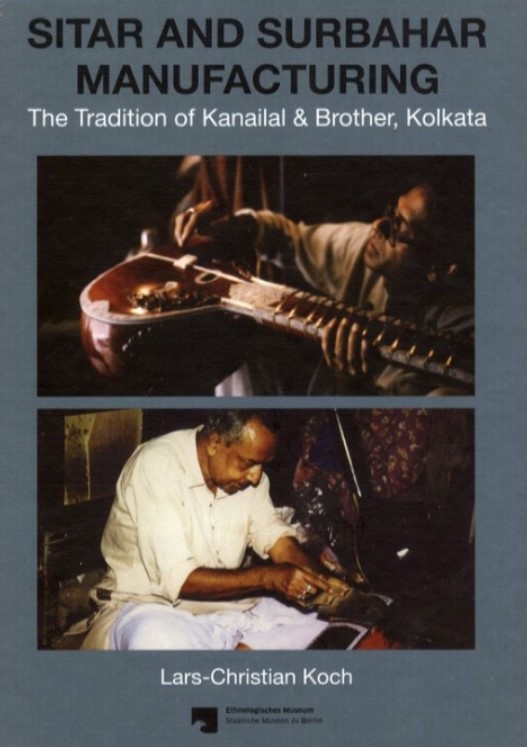
Dr. Koch has written several important books and articles. Sitar and Surbahar Manufacturing: The Tradition of Kanailal & Brother (2011) is one of his most well-known publications. He wrote about Kolkata’s instrument-making customs in this book, concentrating on the renowned Kanailal & Brother workshop.
He also wrote about great musicians like Pandit Ravi Shankar and Ustad Vilayat Khan, explaining how their artistry shaped the global image of Indian classical music. His publications are not just academic; they are written in a way that ordinary readers can enjoy. By combining history, culture, and personal stories, Koch’s writings bring Indian music closer to people around the world.
Awards and Recognition
Dr. Koch’s lifelong dedication to Indian music and culture has been recognised with many honours. In 2026, he received the Padma Shri, one of India’s highest civilian awards.
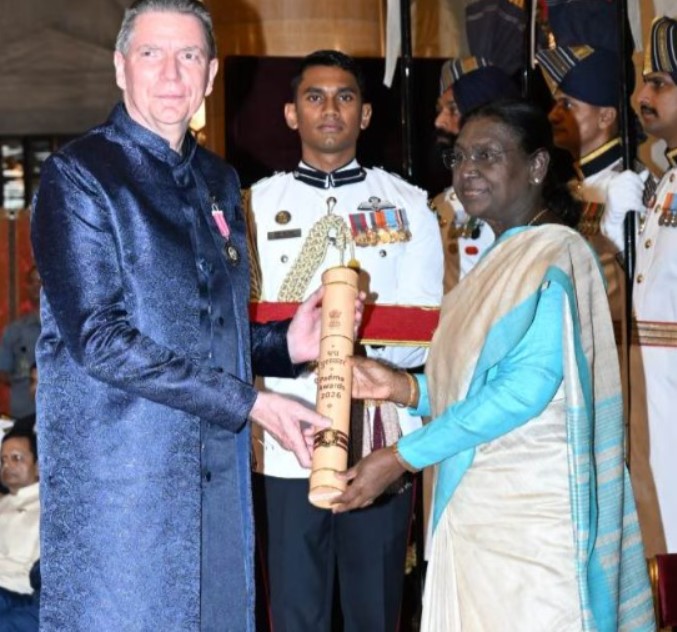
In the same year, he was also honoured with the Merck-Tagore Award, which celebrates intercultural exchange and the spirit of Rabindranath Tagore. These awards show how his work has touched lives across continents. They also highlight his role in building bridges between India and the world through music.
Contributions to Global Ethnomusicology
Dr. Koch’s work has gone beyond India. He has contributed to the global field of ethnomusicology, which studies music in its cultural context. His research on Buddhist music, music archaeology, and historical recordings has opened new areas of study. By documenting traditions that were fading, he ensured that future generations would have access to this knowledge.
He also played a key role in redefining how Indian music is studied in Western universities. Instead of treating it as exotic, he presented it as a serious subject of research. This helped Indian music gain respect in global academia.
Read Also:- Alina Rudya