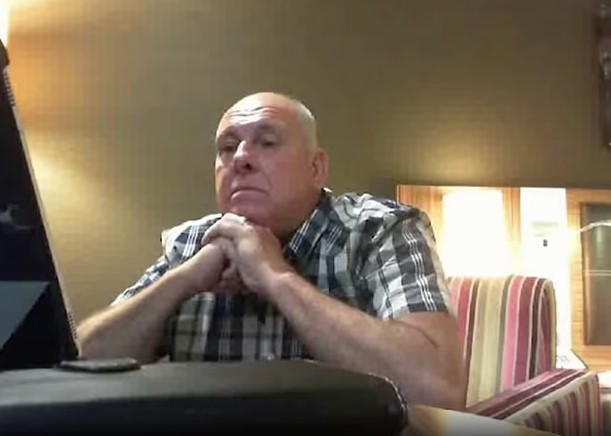
Steve Dymond’s death was not just a personal tragedy; it became a focal point for discussions about the ethics of reality television. His appearance on “The Jeremy Kyle Show” was meant to address personal issues in a public forum, but the outcome was devastating. This article will provide an in-depth look at the circumstances of his death, the impact on the media landscape, and the lessons learned from this tragic event.
The sudden and tragic death of Steve in May 2019 shocked many and sparked a significant public and media response. Steve, a 63-year-old man from Portsmouth, England, was found dead just days after appearing on the controversial TV show “The Jeremy Kyle Show.” His passing raised numerous questions and led to widespread criticism of reality television practices, ultimately contributing to the cancellation of the show. This article delves into the details surrounding Dymond’s death, exploring the events that led up to it, the aftermath, and the broader implications for reality TV.
As we navigate through the details, it is essential to consider the human aspect of this story. Dymond’s life, his struggles, and the broader implications for reality TV will be explored with sensitivity and depth. We aim to provide a comprehensive account that reflects both the personal tragedy and the larger societal issues at play.
The Incident on “The Jeremy Kyle Show”
Dymond’s appearance on “The Jeremy Kyle Show” was intended to resolve personal issues related to his relationship with his ex-fiancée, Jane Callaghan. The show, known for its confrontational and often dramatic style, was a platform where guests could address their personal disputes in front of a live audience. For Steve, the purpose of the appearance was to prove his fidelity and commitment, using a lie detector test as evidence.
The lie detector test, a common feature on the show, was meant to provide a clear answer to whether Steve had been truthful about his past actions. However, the test results were unfavorable, leading to a highly charged and humiliating confrontation. The show’s format, which often amplified personal conflicts, put Steve in a highly stressful situation, exacerbating his emotional and mental strain.
Public Humiliation and Its Effects
Steve’s public humiliation was intense. The show’s format not only aired his personal issues but also subjected him to harsh judgment and scrutiny from both the audience and viewers. This public exposure was coupled with the failure of the lie detector test, which became a focal point for ridicule and condemnation.
The psychological impact of such public humiliation cannot be overstated. For someone like Steve, who had previously struggled with mental health issues, the experience on the show likely compounded his emotional distress. The stress of the situation, combined with the public shaming, created a volatile environment that may have contributed significantly to his subsequent actions.

Steve Dymond Wiki | BIO
| Attribute | Details |
|---|---|
| Full Name | Steve Dymond |
| Date of Death | May 2019 |
| Place of Death | Portsmouth, United Kingdom |
| Age at Death | 63 years old |
| Occupation | Businessman |
| Known For | Appearance on “The Jeremy Kyle Show” |
| Cause of Death | Morphine overdose combined with left ventricular hypertrophy |
| Medical History | History of mental health issues and previous suicide attempts |
| Television Appearance | “The Jeremy Kyle Show” |
The Aftermath of the Show
Just a week after filming the episode, Steve was found dead at his home. The news of his death was met with shock and disbelief, particularly given the timing in relation to his appearance on the show. The circumstances of his death led to an outpouring of sympathy and concern, but also a critical examination of the show’s impact on its participants.
The immediate aftermath of Steve’s death saw a flurry of media coverage and public debate. The focus quickly shifted to the responsibility of the show’s producers and the broader implications for reality TV formats. This tragic incident became a catalyst for discussions about the ethics of reality television and the treatment of vulnerable individuals on such platforms.
Dymond’s Cause of Death
Dymond’s death was ruled as a morphine overdose combined with left ventricular hypertrophy, a condition affecting the heart. The combination of these factors was significant, reflecting both the physical and mental strain Steve experienced.
Morphine, a powerful opioid pain medication, was found in Steve’s system at a level that suggested an overdose. Opioids are known for their potential to cause addiction and depression, particularly when used improperly or without adequate medical supervision. The presence of morphine indicated that Steve was likely struggling with severe pain or emotional distress, which might have contributed to his decision to take the drug in such a manner.
This condition involves the thickening of the heart’s left ventricle, making it harder for the heart to pump blood efficiently. It is often associated with high blood pressure and other cardiovascular issues. The presence of this condition in Steve’s case suggests that his overall health was compromised, possibly exacerbated by his emotional state and the stress he was under.
The combination of these factors provided a stark picture of Steve Dymond’s physical and emotional health leading up to his death. The medical findings underscored the severity of his situation and highlighted the need for better support systems for individuals facing similar struggles.

The Inquest and Findings
The inquest into Dymond’s death revealed several critical points about his mental state and the events leading up to his death. The investigation was thorough and aimed to uncover the circumstances that contributed to this tragic outcome.
One of the key findings from the inquest was Steve’s numerous attempts to contact the show’s producers. He had called ITV around 40 to 50 times, expressing his distress and seeking help. These calls were indicative of Steve’s desperation and the inadequate support he received after his appearance on the show. His efforts to reach out were largely ignored, highlighting a significant lapse in the show’s responsibility towards its guests.
The inquest also brought to light Steve’s history of mental health issues. It was revealed that Steve had previously attempted suicide and had struggled with mental health problems for some time. This background was crucial in understanding the broader context of his death and the role that mental health played in this tragedy.
The investigation criticized the show’s approach to supporting its guests, particularly after the filming of episodes. The lack of follow-up support and counseling for individuals who appeared on the show was a significant factor contributing to the negative outcomes experienced by guests like Steve.
See Also:- Who is Hayley Erbert? Age, Height, Family, BIO & Facts
Public Reaction and Outcry
The public reaction to Dymond’s death was one of shock and outrage. The news spread quickly, and there was a significant backlash against “The Jeremy Kyle Show” and its producers.
Many people expressed their anger and disappointment at the way the show handled Steve’s situation. Critics argued that the show exploited vulnerable individuals for entertainment, without regard for their mental health or well-being. The public outcry was amplified by the widespread media coverage, which brought attention to the ethical issues surrounding reality TV.
The media played a crucial role in shaping the public’s perception of the incident. Reports highlighted the harsh treatment Steve received on the show and the subsequent lack of support he received. This coverage fueled the debate about the responsibilities of reality TV producers and the need for better safeguards for participants.
The tragedy led to calls for significant reforms in reality TV. Advocates argued for stricter regulations to ensure that shows provide adequate support and care for their participants. The incident became a focal point for discussions about media ethics and the treatment of individuals in high-pressure situations.
Cancellation of “The Jeremy Kyle Show”
In the wake of Steve Dymond’s death, ITV made the decision to cancel “The Jeremy Kyle Show” permanently. This decision was a direct response to the backlash and the growing concerns about the show’s impact on its guests.
The cancellation marked a significant moment for ITV and the broader landscape of reality television. The network faced intense scrutiny and pressure to address the issues raised by Steve’s death. The decision to cancel the show was a step towards acknowledging the concerns raised by critics and the public.
The cancellation also affected the staff and production team associated with the show. Many individuals who worked on the show were left to navigate the fallout from the incident and the subsequent changes in the reality TV landscape.
Long-Term Consequences
The cancellation of “The Jeremy Kyle Show” had long-term implications for reality TV programming. It highlighted the need for changes in how such shows are produced and the responsibilities of broadcasters towards their participants.
The incident prompted a reevaluation of reality TV formats and practices. Producers and networks began to consider the ethical implications of their programming and the need for better support systems for participants.
In response to the criticism, there were calls for regulatory changes to ensure that reality TV shows adhere to higher standards of care and ethical practices. These changes aimed to prevent similar incidents in the future and to promote a more responsible approach to reality television.
Jeremy Kyle’s Defense
Jeremy Kyle, the host of “The Jeremy Kyle Show,” defended the show’s format and the intentions behind it. He argued that the show aimed to provide a “journey” for its guests, involving both conflict and resolution.
Kyle’s defense centered on the idea that the show was designed to help individuals address personal issues and find resolution. He argued that the confrontational style was a means to uncover the truth and provide a platform for guests to resolve their disputes.
Kyle’s defense was met with mixed reactions. While some supported his perspective, many critics argued that the show’s approach was exploitative and lacked empathy for participants. The defense highlighted the broader debate about the ethics of reality TV and the responsibilities of producers and hosts.
The Broader Impact
Dymond’s death led to a broader discussion about the ethics of reality television and the treatment of vulnerable individuals. The incident underscored the need for a more compassionate and responsible approach to media practices.
The debate centered on the ethical implications of reality TV formats and the impact of public humiliation on participants. Critics argued that shows like “The Jeremy Kyle Show” exploited individuals for entertainment, without adequate regard for their mental health.
The incident highlighted the responsibility of producers to ensure the well-being of their guests. There were calls for greater accountability and transparency in how reality TV shows are produced and managed.
Regulatory and Legal Repercussions
In the wake of Steve Dymond’s death, there were discussions about potential regulatory and legal changes to reality TV practices. The goal was to prevent similar tragedies and ensure that shows adhere to higher standards of care and ethics.
Advocates called for stricter regulations to protect participants and ensure that reality TV shows provide adequate support and counseling. These changes aimed to create a safer environment for individuals appearing on such programs.
The legal implications of Dymond’s death also prompted discussions about liability and responsibility. There were considerations of how producers and networks should be held accountable for the well-being of their participants.
Read Also:- Who is Sangita Phogat? Biography, Age, Height, Weight, Husband