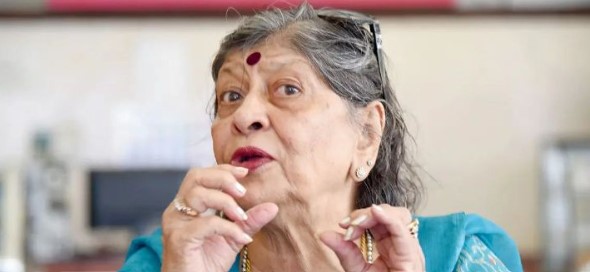
Anandini Thakoor was a respected civic activist from Bandra, Mumbai. Born in 1930, she spent her entire life working for the welfare of her neighbourhood and the city. She believed that ordinary citizens had the right to live in clean, safe surroundings and that they should have a voice in civic matters.
Her work became widely known in 1993, when she helped set up Mohalla Committees during the communal unrest in Mumbai. These committees created dialogue between citizens and the police and helped restore peace. Over the years, she fought many battles for public health, sanitation, and preservation of green spaces. She opposed unsafe pigeon‑feeding enclosures, stopped poorly planned projects like the Khar Subway Flyover, and protected parks such as Patwardhan Park.
Early Life and Background
Anandini was born in 1930 in Bandra, Mumbai. Bandra at that time was a quiet suburb, known for its churches, small markets, and close-knit communities. Growing up in this environment gave her a strong sense of belonging and responsibility towards her neighbourhood.
Her childhood was shaped by the values of community living. In Bandra, neighbours often looked out for each other, and children grew up playing in open spaces that were shared by all. These early experiences taught her the importance of collective responsibility.
Family Roots
Her family background was deeply rooted in Bandra’s cultural life. Bandra has always been a melting pot of communities—Hindus, Christians, Muslims, and Parsis living side by side. This diversity influenced her worldview. She grew up seeing how differences could coexist peacefully, and this later inspired her to work for communal harmony during the unrest of 1993.
Even as a young girl, Anandini was sensitive to issues around her. She noticed how small problems like broken footpaths or poor sanitation affected daily life. These observations stayed with her and later became the foundation of her activism.
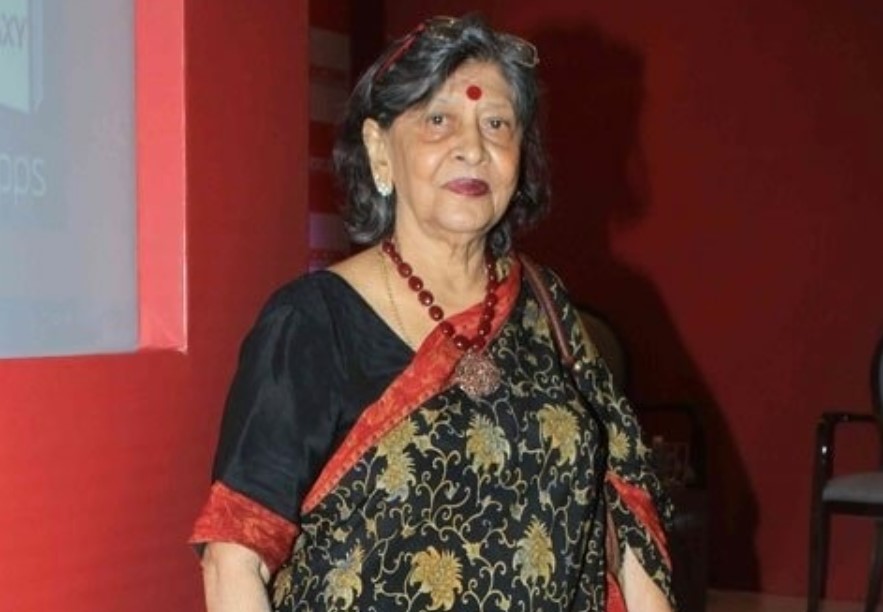
Anandini Thakoor Wiki Table
| Attribute | Details |
|---|---|
| Full Name | Anandini Thakoor |
| Profession | Civic Activist |
| Date of Birth | 1930 |
| Birthplace | Bandra, Mumbai, India |
| Nationality | Indian |
| Hometown | Bandra, Mumbai |
| Age (at death) | 95 Years |
| Date of Death | 12 November 2025 |
| Place of Death | Mumbai, India |
| Marital Status | Married |
| Husband/Spouse | Anant Thakoor |
| Children | Son – Anoop Thakoor |
| Known For | Civic activism, community welfare, sanitation, preservation of green spaces |
| Major Contributions | Helped establish Mohalla Committees (1993) during communal unrest in Mumbai Chairperson of St Anthony’s Institute, Bandra (mid-1970s) Decade-long fight to shut down pigeon-feeding enclosure at Khar Market Opposed Linking Road divider project Stopped Khar Subway Flyover project (2024) Protected Patwardhan Park from underground parking plans |
| Legacy | Remembered as a fearless voice for Mumbaikars; praised by MLA Ashish Shelar for her dedication to civic causes |
| @anandinithakoor/ |
Education and Formative Years
Details about her formal education are limited, but it is believed that she studied in local institutions in Bandra. Schools in the area were known for their emphasis on discipline and community service. This environment likely nurtured her sense of civic duty.
During her youth, Mumbai was undergoing rapid urbanisation. The city was expanding, and with growth came challenges—slums, sanitation problems, and lack of infrastructure. Anandini witnessed these changes firsthand. She saw how ordinary citizens struggled with issues that were often ignored by authorities.
Husband & Son
Anandini was married to Anant Thakoor. Their marriage was a partnership built on shared values. Anant supported her activism, and together they created a home that valued community service.
She had one son, Anoop Thakoor. Family was important to her, and she balanced her responsibilities as a wife and mother with her civic work. Her family’s support allowed her to dedicate time and energy to activism.
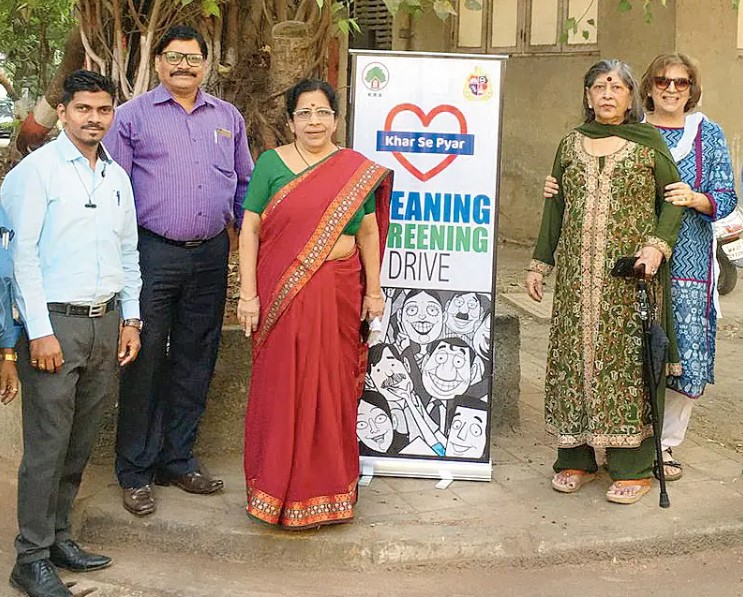
Professional Identity: Civic Activist
Anandini was not a politician, nor did she hold any government office. She was a civic activist, a role that is often misunderstood. A civic activist is someone who works for the welfare of the community without seeking political power. Anandini believed that ordinary citizens had the right to question authorities and demand better living conditions.
Her activism was rooted in everyday issues—sanitation, traffic safety, preservation of parks, and communal harmony. These were not glamorous causes, but they mattered deeply to residents. By focusing on such issues, she showed that civic activism could bring real change.
Chairperson of St Anthony’s Institute (Mid-1970s)
In the mid-1970s, Anandini became the chairperson of St Anthony’s Institute in Bandra. This was a turning point in her life. The institute was a respected community organisation, and her role gave her a platform to address local issues.
As chairperson, she worked closely with residents to identify problems. She realised that issues like sanitation, traffic, and public health were not being addressed properly. Her leadership helped the institute become a hub for civic discussions.
See Also:- Alka Raj: Height, Age, Biography, Family, Web Series List
The Mohalla Committees (1993)
In 1993, Mumbai was shaken by communal riots. The city was divided, and trust between communities and the police was at its lowest. It was during this crisis that Anandini stepped forward.
She helped establish Mohalla Committees, which created dialogue between citizens and the police. These committees were designed to build trust, reduce fear, and encourage cooperation. Residents could voice their concerns directly to the police, and the police could explain their actions to the community.
Advocacy for Sanitation and Public Health
Anandini believed that sanitation and health were basic rights. She often raised issues of poor waste management, open drains, and unhygienic surroundings. Her focus was on vulnerable groups—children and elderly residents—who suffered the most from poor sanitation.
She organised campaigns to demand cleaner streets and better waste disposal. She believed that small changes, like regular garbage collection and proper drainage, could make a big difference in people’s lives.
The Pigeon-Feeding Enclosure Battle
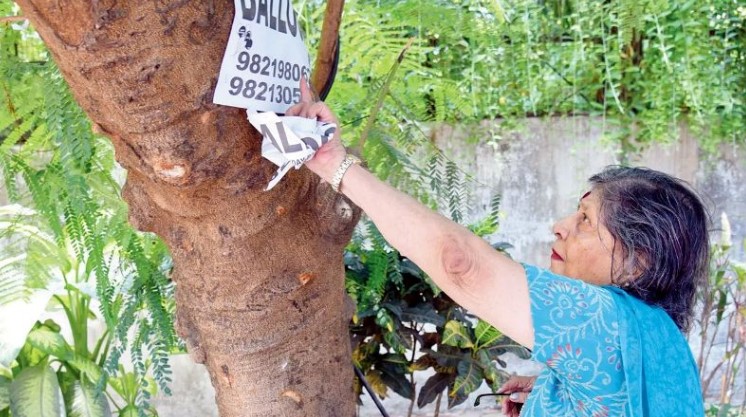
One of her longest battles was against a pigeon-feeding enclosure near Khar Market 1st & 7th Road junction. Residents complained that the enclosure created health hazards. Pigeon droppings spread diseases, and the area became dirty and unsafe.
Anandini fought for more than a decade to shut down the enclosure. She faced resistance from those who believed feeding pigeons was a charitable act. But she argued that public health was more important.
Her persistence paid off. By 2025, the site was transformed into a beautified traffic island, free of birds and hazards. This victory showed her determination and her ability to bring lasting change.
Protecting Green Spaces: Patwardhan Park
Patwardhan Park in Bandra is one of the few green lungs in the area. When plans were announced to build underground parking beneath the park, Anandini opposed them strongly. She argued that the park was vital for residents’ health and recreation.
She mobilised local residents to protest against the plan. Meetings were held, petitions were signed, and awareness campaigns were launched.
Her activism succeeded. The underground parking plan was scrapped, and the park remained untouched. This victory reinforced her reputation as a protector of public spaces.
The Khar Subway Flyover Project (2024)
In 2024, the Brihanmumbai Municipal Corporation (BMC) proposed a flyover near Khar Subway. The project was meant to ease traffic but would have cut through quiet residential zones.
Anandini studied the plan carefully and demonstrated how it would harm residents. She showed that the flyover would increase noise, reduce safety, and destroy the character of the neighbourhood.
Her campaign gained support, and the project was stopped. This was one of her last major victories, achieved at the age of 94.
Death and Tributes
Anandini passed away on 12 November 2025 in Mumbai. She was 95 years old. Tributes poured in from all sides. MLA Ashish Shelar praised her dedication. Residents remembered her as someone who fought for their rights.
Her death was widely covered in local media. She was described as a fearless activist who left a lasting mark on Mumbai.
Read Also:- Kenith Rai: Height, Age, Biography, Family, Web Series List