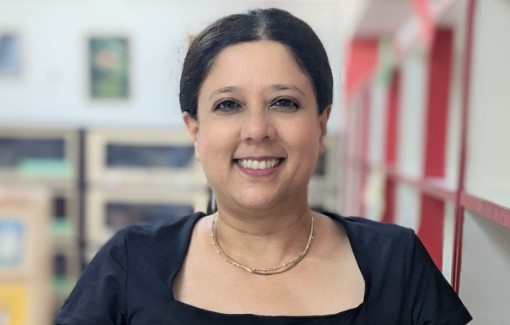
Bahar Dutt is a name synonymous with environmental journalism in India. A passionate advocate for wildlife conservation and sustainability, she has spent decades bringing critical environmental issues to the forefront of mainstream media. Her work as a journalist, author, and activist has earned her numerous accolades, making her one of the most influential voices in the field.
Born into a family deeply rooted in journalism, Bahar carved her own niche by focusing on environmental reporting—a domain often overlooked in mainstream news. Her investigative stories have exposed illegal mining, deforestation, and the plight of endangered species, earning her both admiration and criticism. Through her books, documentaries, and television reports, she has consistently highlighted the delicate balance between development and conservation.
Her journey from a social work graduate to an award-winning environmental journalist is nothing short of inspiring. With a career spanning over two decades, she has not only reported on environmental crises but has also actively participated in conservation efforts. Whether it’s advocating for tiger protection or exposing the adverse effects of climate change on marginalized communities, Bahar Dutt’s work has left an indelible mark on Indian journalism.
Early Life and Background
Bahar was born on June 20, 1975, in New Delhi, India. She hails from a family with a strong journalistic legacy. Her mother, Prabha Dutt, was a renowned journalist at Hindustan Times, known for her groundbreaking war reporting. Her father, S.P. Dutt, worked with Air India and was affectionately called “Speedy Singh” due to his initials. Bahar grew up in an intellectually stimulating environment, where discussions about politics, media, and social issues were commonplace.
She shares a close bond with her elder sister, Barkha Dutt, who is one of India’s most celebrated journalists. Both sisters followed in their mother’s footsteps, making significant contributions to Indian journalism. While Barkha focused on political and war reporting, Bahar chose a different path—environmental journalism. Her current age is 49 years as of May 2025.
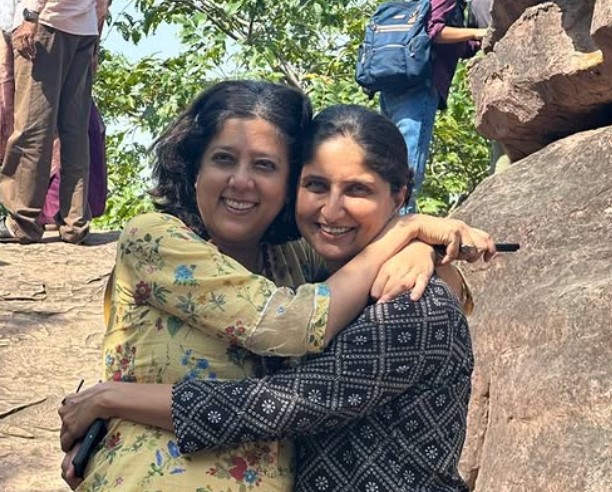
Bahar Dutt Wiki | BIO
| Attribute | Details |
|---|---|
| Full Name | Bahar Dutt |
| Date of Birth | June 20, 1975 |
| Age | 49 years (as of 2025) |
| Birthplace | New Delhi, India |
| Nationality | Indian |
| Profession | Environmental Journalist, Author, Conservationist |
| Education | Master’s in Wildlife Conservation, University of Kent |
| Years Active | Since 1995 |
| Notable Works | Rewilding India, Rebel Animals: The Wildlife Battles That Made India |
| Awards | Ramnath Goenka Excellence in Journalism Award (2006), Chameli Devi Jain Award (2006), Sanctuary Asia Award (2008), NDTV Indian of the Year Award (2008) |
| Books | Rewilding India (2019), Rebel Animals: The Wildlife Battles That Made India (2020) |
| Net Worth | ₹3 crore INR (approx.) |
| Notable Documentaries | Saving the Ganga, At Melting Point, Citizens of Earth |
| @bahardutt/ |
Education and Early Interests
Dutt pursued her undergraduate degree in Social Work from the University of Delhi. Her interest in environmental conservation led her to further studies at the Durrell Institute of Conservation and Ecology, University of Kent, where she earned a Master’s degree in Wildlife Conservation. This academic background equipped her with the knowledge and skills necessary to merge journalism with environmental activism.
During her college years, she was deeply involved in conservation projects. She worked with snake charmers across Haryana and Rajasthan, helping them transition to alternative livelihoods after the Wildlife Protection Act of 1972 banned their traditional practices. This early exposure to grassroots environmental issues shaped her future career, instilling in her a deep sense of responsibility toward nature and marginalized communities.
Career Beginnings
Dutt’s journey into journalism was not conventional. Before stepping into the media industry, she was deeply involved in conservation projects. Her early work revolved around helping snake charmers in Haryana and Rajasthan transition to alternative livelihoods after the Wildlife Protection Act of 1972 banned their traditional practices. This experience gave her firsthand exposure to the challenges faced by marginalized communities dependent on nature for survival.
Her passion for environmental conservation led her to pursue a Master’s degree in Wildlife Conservation at the Durrell Institute of Conservation and Ecology, University of Kent. Equipped with academic expertise and practical experience, she was determined to bring environmental issues into mainstream journalism.
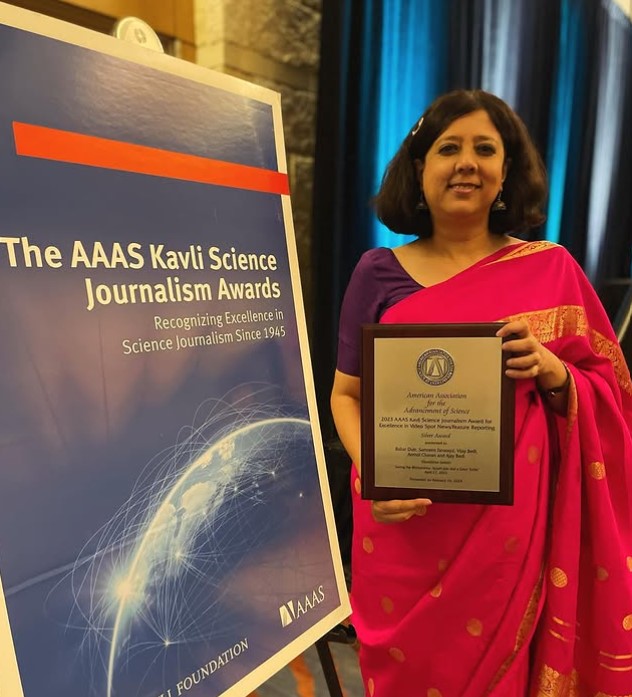
In 2005, Bahar Dutt was hired by CNN-IBN as an environmental journalist under the leadership of Rajdeep Sardesai. This marked the beginning of her career in television journalism, where she would go on to produce groundbreaking reports on environmental crises. As the Environment Editor, she conducted undercover investigations, reported on illegal projects, and influenced policy decisions through her impactful storytelling.
Rise to Prominence in Environmental Journalism
Dutt’s rise to prominence was fueled by her fearless approach to investigative journalism. She tackled issues that were often ignored by mainstream media, such as illegal mining, deforestation, and climate change. Her reports not only informed the public but also pressured policymakers to take action.
One of her most impactful investigations led to the shutdown of an illegal shopping mall on the Yamuna riverbed. She also exposed an illegal mining operation in Goa, which was encroaching on forest land. These reports demonstrated her commitment to holding powerful entities accountable for environmental violations.
Her coverage of the 2004 Indian Ocean tsunami highlighted the environmental consequences of natural disasters and the urgent need for sustainable rebuilding efforts. She emphasized how coastal ecosystems play a crucial role in disaster mitigation and advocated for policies that prioritize environmental protection.
Bringing Environmental Issues to Prime-Time News
Unlike many journalists who focus on politics or business, Bahar made environmental journalism a mainstream topic. She produced highly-rated TV series, such as “Saving the Ganga”, where she traveled 2,400 km from the Gaumukh Glacier to the Bay of Bengal, documenting the river’s ecological challenges. Another series, “Saving India’s Western Ghats”, showcased the biodiversity of one of the world’s most critical ecological hotspots.
Her ability to present complex environmental issues in an engaging and accessible manner earned her widespread recognition. She was instrumental in shifting environmental stories from niche segments to prime-time news, ensuring that conservation remained a national conversation.

See Also:- Shivani Bafna Wiki, Age, Husband, Children, Family, Biography & More
Awards and Recognition
Dutt’s contributions to environmental journalism have been widely acknowledged. Some of her most prestigious awards include:
- Ramnath Goenka Excellence in Journalism Award (2006) – For reporting on environmental issues.
- Chameli Devi Jain Award (2006) – Recognizing outstanding women media persons.
- Sanctuary Asia Award (2008) – For her work on tiger conservation.
- NDTV Indian of the Year Award (2008) – Honoring her contributions to environmental awareness.
Key Reports and Documentaries
Bahar has been a leading force in environmental investigative journalism, uncovering illegal activities that threaten India’s biodiversity. Her reports have led to policy changes, legal actions, and increased awareness about environmental issues. One of her most impactful investigations exposed illegal mining operations in Goa, where unauthorized activities were encroaching on forest land. Her reporting on wetland destruction in Uttar Pradesh played a crucial role in halting a project that endangered the habitat of the Sarus Crane, an iconic bird species.
One of her most notable works, At Melting Point, was filmed in 2009 when she trekked 21 kilometers to the Gangotri Glacier at Gaumukh to document the impact of climate change on the glacier. Accompanied by a team of scientists and a glaciologist, the documentary provided stunning visuals of the Himalayan landscape while addressing pressing climate issues. In 2011, she was invited by the Norwegian government to explore the effects of climate change on the Arctic ecosystem, resulting in the documentary From the Roof of the World.
Writing Career
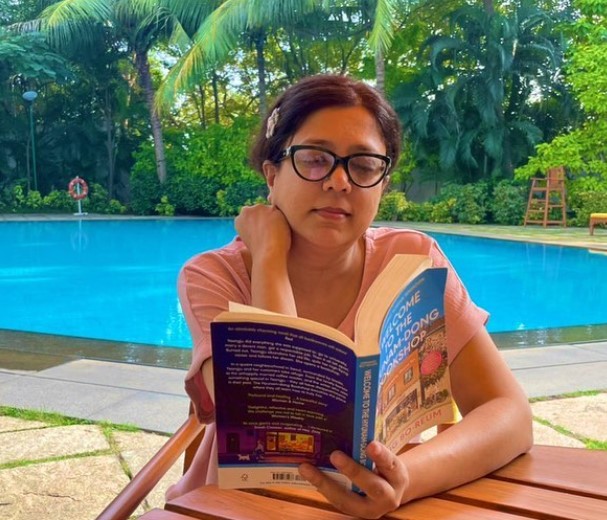
Bahar has extended her environmental activism beyond journalism through her books, which provide in-depth analysis and personal insights into conservation challenges in India. Her book Rewilding India, published on November 25, 2019, explores the concept of rewilding and how India can restore its natural ecosystems. It emphasizes the importance of conservation efforts and sustainable development, urging policymakers and citizens to take action.
Another significant work, Rebel Animals: The Wildlife Battles That Made India, released on May 11, 2020, presents compelling narratives about India’s wildlife conservation struggles. The book features stories of animals that have played a crucial role in shaping conservation policies, offering a unique perspective on the intersection of wildlife and human intervention.
Personal Life & Family
Bahar was born into a family deeply rooted in journalism, with her mother, Prabha Dutt, being one of India’s first female war reporters. Her father, S.P. Dutt, worked with Air India and was affectionately called “Speedy Singh” due to his initials. She shares a close bond with her elder sister, Barkha Dutt, who is one of India’s most celebrated journalists. Both sisters followed in their mother’s footsteps, making significant contributions to Indian journalism.
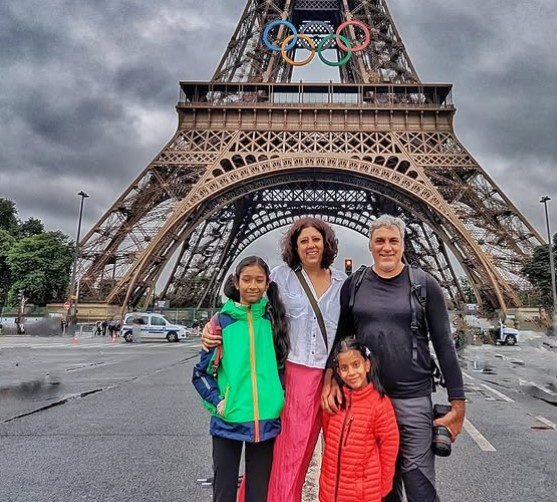
In her personal life, Bahar is married to Vijay Bedi, an acclaimed wildlife photographer and filmmaker. Vijay, along with his twin brother Ajay Bedi, became the youngest Asians to win the Green Oscar for their documentary The Policing Langur. The couple shares a deep passion for wildlife conservation, often collaborating on projects that highlight India’s rich biodiversity. Together, they have a daughter, and Bahar balances her professional commitments with her role as a mother.
Controversies and Challenges
Dutt’s career as an environmental journalist has not been without controversy. While her investigative reporting has been widely praised, it has also sparked debates and criticism, particularly regarding her approach to conservation and activism. One of the most notable controversies surrounding her work emerged in 2010 when she produced a documentary on tiger conservation in India.
While the film was intended to highlight efforts to protect the endangered species, some critics argued that it presented an overly positive view of certain conservation actions. Concerns were raised that the documentary may have overlooked the negative impact of conservation policies on local communities living near tiger reserves. The portrayal of forest residents and their relationship with conservation efforts became a point of contention, with some activists questioning whether their voices were adequately represented.
Financial Overview
Bahar has built a successful career as an environmental journalist, author, and conservationist. Her financial standing reflects her extensive contributions to media and environmental advocacy. While exact figures regarding her earnings are not publicly available, estimates suggest that her net worth is approximately ₹3 crore INR. This valuation includes her income from journalism, book sales, speaking engagements, and consulting work.
As a columnist and television journalist, Bahar has worked with major media organizations, including CNN-IBN, where she served as the Environment Editor. Her investigative reports and documentaries have garnered widespread recognition, contributing to her financial success. Additionally, her books, including Rewilding India and Rebel Animals: The Wildlife Battles That Made India, have been well-received, further adding to her earnings.
Read Also:- Seerat Kaur Mann (Bhagwant Mann’s Daughter) Wiki, Age, Boyfriend, Family