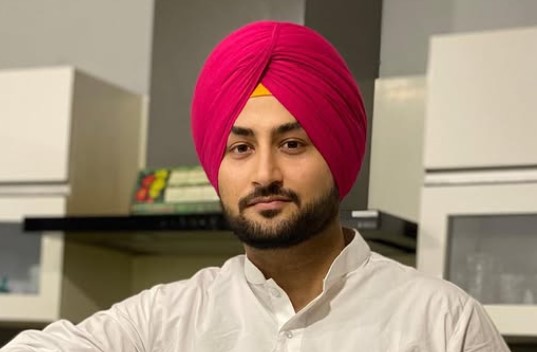
Mix Singh, a name that resonates deeply within the Punjabi music industry, is more than just a music director—he is a visionary who has shaped the sound of modern Punjabi hits. Born Harmeet Singh in Khanna, Ludhiana, Punjab, Singh has carved a niche for himself as a music producer, singer, and lyricist. His journey from a small-town boy with a passion for music to a celebrated name in the industry is nothing short of inspiring.
From composing chart-topping songs like Sakhiyaan, Ik Tera, and Sorry to producing hit albums such as Jugni and XL Album, Mix has consistently delivered music that resonates with audiences worldwide. His ability to blend traditional Punjabi beats with contemporary sounds has made him a favorite among fans and artists alike.
But his story is not just about success—it’s about perseverance, creativity, and an unwavering passion for music. In this detailed biography, we will explore his early life, career milestones, struggles, achievements, and future aspirations, giving you an in-depth look at the man behind the music.
Early Life & Background
Mix, whose real name is Harmeet Singh, was born in 1994 in Khanna, Ludhiana, Punjab. Growing up in a middle-class Punjabi family, he was surrounded by the rich cultural heritage of Punjab, which played a significant role in shaping his musical interests. His current age is 31 years as of 2025.
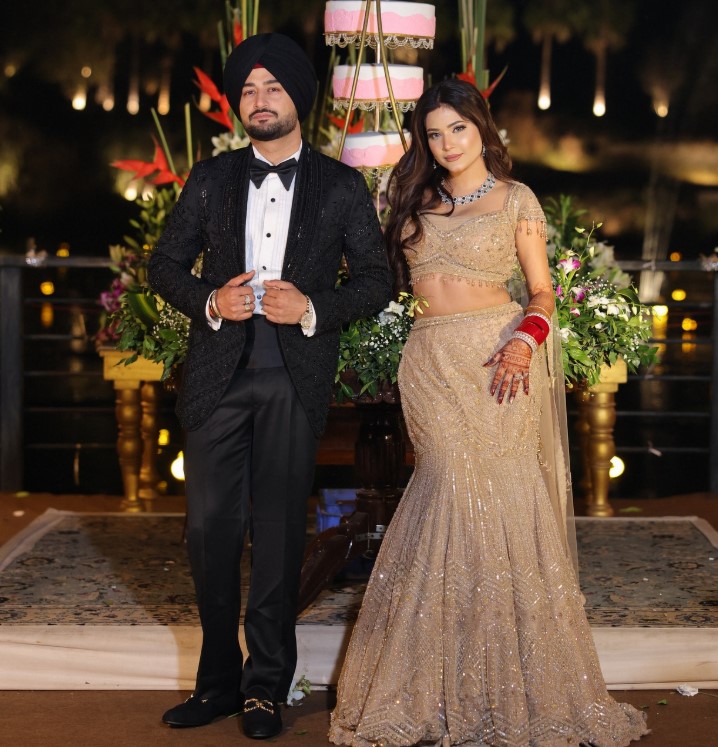
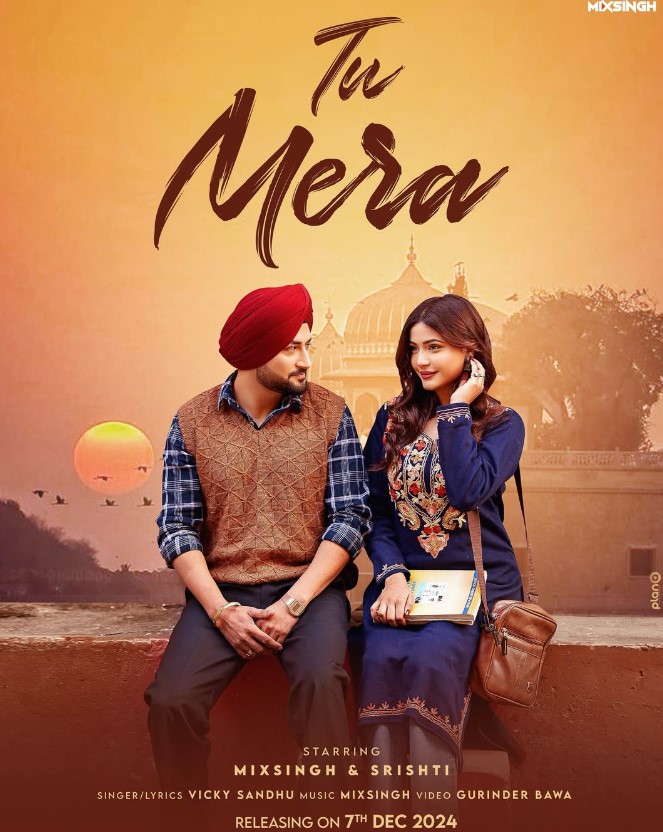
Despite his deep-rooted love for music, his early life was quite ordinary. He attended a local high school in Khanna, where he excelled academically while nurturing his passion for music. His family, though supportive, initially viewed music as a hobby rather than a career path. He recently got married to his long-time lover Srishti Kaur.
Education & Early Interests
After completing his schooling, Harmeet pursued higher education at Guru Nanak Dev University, Amritsar, where he graduated with a degree. While studying, he developed a keen interest in computers, editing pictures, and videos, which later evolved into a fascination with music production.
During his college years, Harmeet spent countless hours experimenting with music software, sound mixing, and beat production. His ability to manipulate sounds and create unique compositions set him apart from his peers. It was during this time that he realized his true calling—music direction and production.
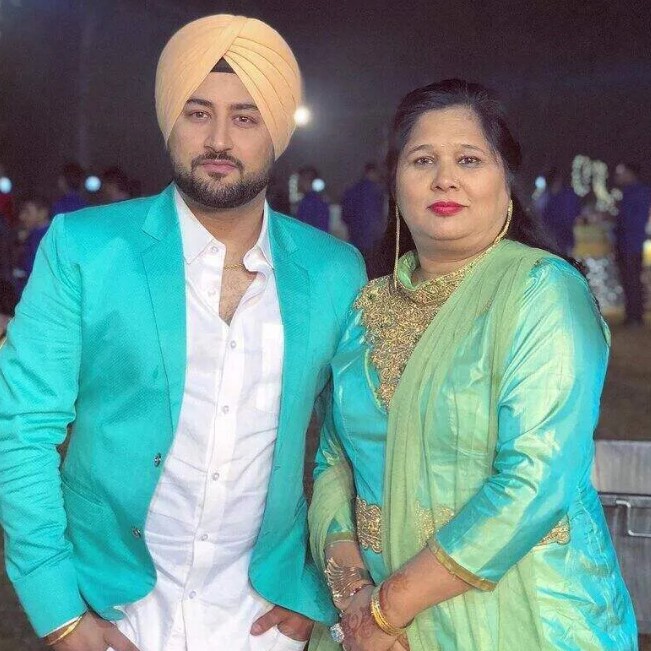
Mix Singh Wiki | BIO
| Attribute | Details |
|---|---|
| Real Name | Harmeet Singh |
| Stage Name | Mix Singh |
| Profession(s) | Music Producer, Music Director, Singer, Lyricist |
| Date of Birth | 1994 |
| Age | 31 years (as of 2025) |
| Birthplace | Khanna, Ludhiana, Punjab, India |
| Nationality | Indian |
| Height | 5’9” (175 cm) |
| Weight | 85 kg |
| Eye Color | Dark Brown |
| Hair Color | Black |
| Wife | Srishti Kaur |
| Education | Graduation from Guru Nanak Dev University, Amritsar |
| Years Active | 2014 – Present |
| Awards & Recognition | Nominated for Best Sound Recording at PTC Music Awards (2014) |
| Net Worth | ₹20 crore INR (approx.) |
| @mixsingh/ | |
| Wikipedia | @MixSingh |
Childhood Interests & Passion for Music
His journey into music was unconventional. Unlike many artists who start with singing or playing instruments, his first love was technology. As a child, he was fascinated by computers, graphic design, and video editing. He would spend hours learning how to edit images and videos, unknowingly laying the foundation for his future career in music production.
His interest in visual editing soon transitioned into music editing. He began experimenting with sound mixing, beat creation, and digital music production, which led him to explore the world of DJing. This phase was crucial in shaping his understanding of music composition and sound engineering.
Growing up in Punjab, Harmeet was heavily influenced by Punjabi folk music and modern Punjabi beats. Artists like Romey Gill, Jazzy B, and The PropheC inspired him to create music that blended traditional Punjabi elements with contemporary sounds. His ability to merge these styles would later become his signature in the industry.
The Birth of “Mix Singh”
Before stepping into the Punjabi music industry, Harmeet started his career as a DJ, performing under the name DJ Harry. His early days as a DJ allowed him to experiment with different beats, sounds, and mixing techniques, which later became the foundation of his music production skills.
However, his transformation into Harmeet was a turning point. The name was suggested by his friends, who believed it better represented his ability to blend and mix sounds seamlessly. This new identity marked the beginning of his journey as a music director and producer.
With a new name and a clear vision, Harmeet began working on music production and direction. His early compositions showcased his talent for creating catchy melodies and innovative beats, setting him apart from other producers in the industry.

Career Beginnings in the Punjabi Music Industry (2014-2017)
Harmeet officially debuted as a music director with the song “Mere Warga” in 2017, released under Jass Records. The song gained popularity, marking his entry into the mainstream Punjabi music industry.
Like many artists, Harmeet faced challenges in his early career. Establishing himself in a competitive industry required persistence, creativity, and networking. However, his ability to produce high-quality music helped him gain recognition among artists and audiences alike.
During this period, Harmeet started working with emerging Punjabi singers, helping them create hit songs that resonated with listeners. His collaborations with artists like Maninder Buttar, Jass Manak, and Neha Kakkar laid the foundation for his future success.
Major Hits & Breakthrough Songs
His ability to create chart-topping songs became evident with hits like:
- “Sakhiyaan” – Sung by Maninder Buttar, this song became a massive success.
- “Ik Tera” – Another collaboration with Maninder Buttar, loved by fans.
- “Sorry” – Featuring Neha Kakkar, this song showcased his versatility.
- “Tera Mera Viah” – Sung by Jass Manak, further cementing his reputation.
These songs not only gained millions of views online but also reshaped the Punjabi music industry, introducing a fresh and modern sound that appealed to younger audiences.
See Also:- Saajz (Singer) Biography
Collaborations with Prominent Artists
His talent for crafting engaging melodies and dynamic beats quickly made him a highly sought-after music director. He worked alongside artists such as Maninder Buttar, Neha Kakkar, Jass Manak, Simar Doraha, and R Nait, producing songs that would go on to become chart-toppers. His collaboration with Maninder Buttar on Sakhiyaan and Ik Tera was particularly well-received, as was his work with Neha Kakkar on Sorry and Jass Manak on Tera Mera Viah.
These collaborations were instrumental in shaping his career, allowing him to push the boundaries of Punjabi music and introduce contemporary sounds that resonated with audiences. His partnership with prominent record labels such as Jass Records, White Hill Music, and Geet MP3 further expanded his reach, helping his music gain a global audience.
Album Production & Musical Contributions
His influence in the industry goes beyond individual hit songs—he has played a critical role in producing full-length albums that have left a lasting impact. His ability to construct cohesive and high-quality music projects is evident in the success of albums such as Best by Amar Sandhu, Jugni by Maninder Buttar, XL Album by Simar Doraha, and Majaak Thodi Ae by R Nait. These projects allowed him to explore various musical styles, blending traditional Punjabi sounds with modern compositions.
What sets Harmeet apart as a producer is his signature style, which combines innovative sound mixing, high-energy compositions, and a fusion of traditional Punjabi beats with contemporary elements. His ability to craft music that resonates with audiences has made him one of the most influential producers in the industry today.

Recognition & Awards
His contributions to the music industry were recognized early in his career when he was nominated for Best Sound Recording at the PTC Music Awards in 2014. This nomination was a significant milestone, as it validated his talent and established him as a serious contender in the industry. Since then, he has received numerous accolades for his work, with many of his songs earning millions of views and becoming instant classics.
Beyond formal awards, Harmeet’s legacy is defined by his ability to consistently create music that resonates with listeners. His innovative approach to production and music direction has set him apart from his peers, earning him immense respect from industry professionals and fans alike. His success serves as a testament to his dedication, creativity, and ability to adapt to changing musical trends, ensuring that his influence on Punjabi music will continue for years to come.
Tribute to Romey Gill
Harmeet has always been deeply connected to Punjabi music and its legendary artists. In 2016, he paid tribute to the renowned Punjabi singer Romey Gill by singing the heartfelt song Daru Pi Ke Roye. This tribute was not just a musical gesture but a reflection of his admiration for the artists who paved the way for Punjabi music’s evolution. Romey Gill was known for his unique voice and contribution to Punjabi folk and contemporary music, and Mix Singh’s tribute was a way of honoring his legacy.
The song Daru Pi Ke Roye resonated with audiences, as it captured the emotions of loss and remembrance. It showcased his ability to connect with listeners on a deeper level, proving that his talent extended beyond music production. This tribute further solidified his reputation as an artist who respects and acknowledges the contributions of those who came before him.
Physical Appearance & Personality
Harmeet has a distinct presence, both on and off the stage. Standing at 5’9” (175 cm) and weighing 85 kg, he carries himself with confidence. His dark brown eyes and black hair give him a signature look that fans recognize instantly. His style is often casual yet trendy, reflecting his personality as a modern music director who blends tradition with innovation.
Beyond his physical appearance, he is known for his humble and down-to-earth nature. Despite his success, he remains approachable and connected to his fans. His passion for music is evident in every project he undertakes, and his dedication to his craft has earned him respect in the industry. Whether he is working on a new song or interacting with his audience, his personality shines through, making him a beloved figure in Punjabi music.
Songs List
| Song Title | Album/Single | Year |
|---|---|---|
| Suniyan Suniyan | Suniyan Suniyan | 2024 |
| Pani Di Gal | Jugni (My First Album) | 2021 |
| Tu Jo Mileya | Tu Jo Mileya | 2024 |
| MEDAL | MEDAL | 2023 |
| Safar | Slowed + Reverb | 2023 |
| Veere | Unexpected | 2023 |
| Tu Shayar Banaagi | Slowed + Reverb | 2023 |
| Duty | Duty | 2023 |
| Dabdaba | Dabdaba | 2023 |
| Ranjha | Slowed + Reverb | 2023 |
| Mere Mehboob | Mere Mehboob | 2024 |
| Mirza 2.0 | No Doubt | 2023 |
| Daadi Maa | Daadi Maa | 2022 |
| Pariyan De Desh | Masand (Soundtrack) | 2022 |
| DHEETH JATTA | DHEETH JATTA | 2024 |
| Humsafar | Humsafar | 2023 |
| Dil Ton Yaari | Dil Ton Yaari | 2024 |
| Talks | Talks | 2024 |
| Love Me Someday | Jugni (My First Album) | 2021 |
| Waake | Waake | 2019 |
| Multani Mitti | Multani Mitti | 2024 |
| Eni Sohni Nai | Eni Sohni Nai | 2024 |
| XL | XL | 2021 |
| Limitless | Limitless | 2023 |
| Teri Meri Ladayi | Jugni (My First Album) | 2021 |
| Be Happy | Unexpected | 2023 |
| Veera | Veera | 2022 |
| Bapu Tere Karke 2 | Bapu Tere Karke 2 | 2022 |
| Depression | No Doubt | 2023 |
| Teri Maa | Teri Maa | 2024 |
| Aakdan | Jugni (My First Album) | 2021 |
| Oh Hubby Ji | Slowed + Reverb | 2023 |
Read Also:- Aditi Karnawat Biography