Who was John Denver? The Tragic End of John Denver and What Caused His Plane Crash


John Denver, born Henry John Deutschendorf Jr. on December 31, 1943, in Roswell, New Mexico, captured the hearts of millions with his soothing voice and poetic lyrics. His music became the soundtrack for many, painting vivid images of nature and the American spirit. Denver’s songs, including the iconic “Take Me Home, Country Roads” and “Rocky Mountain High,” not only resonated with fans but also became anthems for those seeking a deeper connection to the earth and each other.
Denver’s life story is one of artistic passion, personal struggles, and an untimely end that shocked the world. On October 12, 1997, Denver’s life was cut short when he tragically died in a plane crash over Monterey Bay, California. This event was not just the loss of a talented musician; it was a moment that left a lasting impact on his fans and the music industry.
Early Life and Musical Journey
Denver’s upbringing played a crucial role in shaping the person he would become. Born to a military family, he moved frequently during his childhood due to his father’s career as a U.S. Air Force officer. This nomadic lifestyle fostered a sense of adventure in him, as he was constantly exposed to new places and cultures. However, it also instilled a feeling of instability that would follow him throughout his life. He was born on December 31, 1943. He died at the age of 53 years old.
From a young age, Denver showed a keen interest in music, inspired by the folk music of the time. At the age of 11, he received a Gibson guitar from his grandmother, which sparked his lifelong passion for music. This gift would become a pivotal moment in his life, leading him to develop a unique sound that blended folk, country, and pop influences. He listened to the likes of Woody Guthrie and Pete Seeger, whose music encouraged him to express his feelings and observations through songwriting.
The Move to California
In the mid-1960s, driven by his passion and ambition, Denver moved to Los Angeles to pursue a career in music. It was a brave move, filled with uncertainty, but he was determined to make his mark. To reflect his love for Colorado, a state that he adored, he adopted the stage name “John.” This name would soon become synonymous with heartfelt ballads and the beauty of nature.
In California, Denver began performing at local clubs and coffeehouses, honing his craft. His big break came when he joined the Chad Mitchell Trio, a popular folk group at the time. His contributions to the group helped him gain recognition, and soon his songwriting talents began to shine through. One of his songs, “Leaving on a Jet Plane,” became a hit for Peter, Paul and Mary, catapulting Denver into the spotlight.
John Denver Wiki | BIO
| Attribute | Details |
|---|---|
| Full Name | Henry John Deutschendorf Jr. |
| Stage Name | John Denver |
| Date of Birth | December 31, 1943 |
| Age at death | 53 years old |
| Place of Birth | Roswell, New Mexico, USA |
| Date of Death | October 12, 1997 |
| Place of Death | Pacific Grove, California, USA |
| Occupation | Singer-songwriter, musician, actor, activist |
| Genres | Folk, Country, Pop |
| Years Active | 1965–1997 |
| Labels | RCA, Windstar, Epic |
| Awards | 2 Grammy Awards, 1 American Music Award |
| Spouse(s) | Annie Martell (1967–1982), Cassandra Delaney (1988–1993) |
| Children | 1 son (Zachary), 1 daughter (Anna Kate) |
| Musical Influences | Pete Seeger, The Weavers, Bob Dylan |
| Final Flight | Experimental aircraft, October 12, 1997 |
| Cause of Death | Aircraft accident |
| @John_Denver |
Emergence as a Solo Artist
As the 1970s rolled in, Denver’s solo career took off, marked by an array of hits that would solidify his place in music history. His songs resonated with audiences worldwide, characterized by their sincerity and emotional depth. Tracks like “Take Me Home, Country Roads,” “Annie’s Song,” and “Sunshine on My Shoulders” became staples on radio stations and in the hearts of fans.
Denver’s love for nature was evident not only in his lyrics but also in his lifestyle. He was an environmental advocate, using his platform to promote awareness about conservation and the beauty of the earth. His concerts often featured stunning visuals of landscapes, reinforcing the themes of his music. With multiple Grammy Awards and accolades, including being named the poet laureate of Colorado in 1974, Denver’s influence extended beyond music, as he became a beloved cultural figure.
Rise to Stardom
Denver’s rise to fame was meteoric, with his unique blend of folk, pop, and country music appealing to a broad audience. His ability to craft relatable songs about love, loss, and the beauty of nature struck a chord with listeners. “Rocky Mountain High,” in particular, became an anthem for many who sought solace in the great outdoors, celebrating the natural beauty of Colorado and the American spirit.
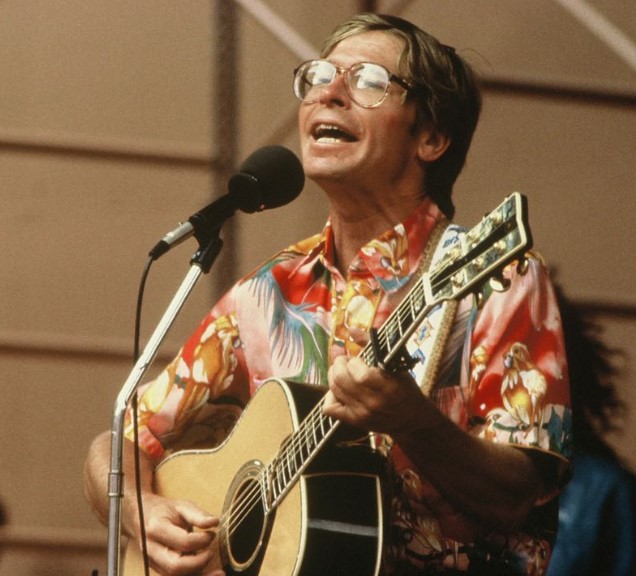
In addition to his chart-topping hits, Denver was known for his engaging live performances. He had a unique ability to connect with his audience, making each concert feel intimate and personal. Fans often left his shows with a renewed sense of appreciation for life and nature. His concerts were filled with joy, laughter, and shared experiences, a testament to his deep connection with his audience.
Accolades and Recognition
Throughout his career, Denver received numerous awards and accolades that reflected his impact on the music industry. He won several Grammy Awards and was nominated for many more. His music crossed genres, making him a household name across various platforms. His influence was not just limited to the United States; he garnered a global fan base, with his songs being translated into different languages.
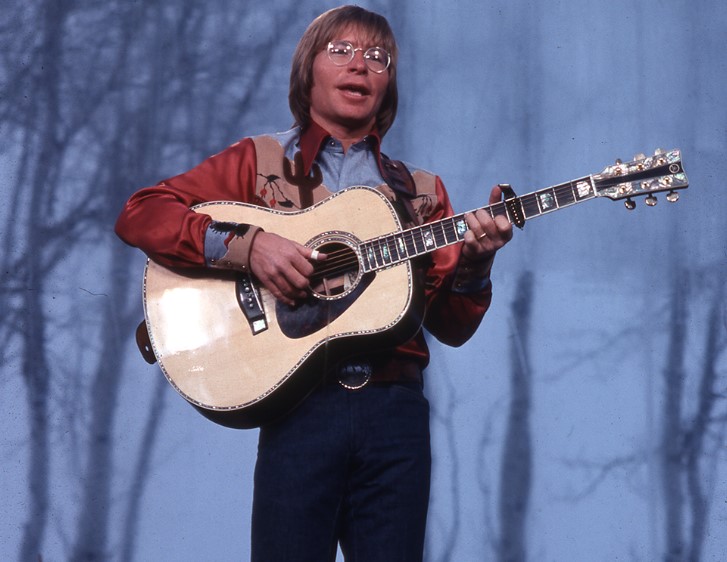
Denver’s dedication to music and his advocacy work earned him respect beyond his musical accomplishments. He used his fame to champion various causes, particularly environmental conservation and humanitarian efforts. His commitment to these issues resonated with his fans and established him as a cultural icon.
Personal Life and Challenges
Despite his professional success, Denver faced challenges in his personal life. He was married twice, first to Annie Martell in 1967, and then to Cassandra Delaney in 1988. Denver had three children: Jesse Belle Deutschendorf, Anna Kate Denver, and Zachary John Denver, all of whom he loved deeply. However, his marriages struggled under the weight of his fame and the pressures of his career, leading to divorces that left him searching for stability.
Denver also faced battles with alcohol, which impacted his life and career. These struggles led to the suspension of his pilot’s license at times, creating a complex relationship between his passion for flying and the responsibilities that came with it. He openly discussed his issues with addiction, hoping to inspire others facing similar challenges. Despite the obstacles, Denver remained dedicated to his music and continued to create songs that resonated with his audience.
Passion for Flying
While John was best known for his music, he had a profound love for flying. This passion began early in his life, with the skies representing freedom and adventure to him. He often spoke about the tranquility he found while flying, viewing it as an escape from the pressures of life on the ground.
As an experienced pilot with over 2,700 hours of flight time, Denver was well-versed in the complexities of aviation. He owned several aircraft and was particularly fond of flying his experimental Rutan Long-EZ. This unique aircraft, known for its distinctive design, was a symbol of his adventurous spirit. However, flying also came with risks, especially for someone who had faced challenges with alcohol in the past.
The Risks of Aviation
Despite his expertise, the risks associated with flying were ever-present. Denver’s love for aviation sometimes blurred the lines between passion and caution. There were instances when his judgment was called into question, particularly concerning his pilot’s license. His history of alcohol abuse led to periods where he was unable to fly legally, raising concerns about his decision-making while in the cockpit.
Many close to him expressed worry about his flying habits, especially given the challenges of piloting an experimental aircraft. The Rutan Long-EZ, while advanced, had features that could be difficult to manage, especially for pilots unfamiliar with its intricacies. Nevertheless, Denver remained undeterred in his love for the skies, often emphasizing the sense of peace he felt when soaring above the clouds.
See Also:- Mercury Morris Cause of Death and Obituary: What Happened to legendary Dolphins running back?
Flying as an Expression of Freedom
Flying represented more than just a hobby for Denver; it was a form of self-expression. He often used aviation as a metaphor in his music, conveying themes of freedom and adventure. His songs, filled with imagery of open skies and distant horizons, mirrored his own experiences as a pilot. This connection between his music and passion for flying allowed fans to glimpse the world as Denver saw it—a place of endless possibilities and profound beauty.
His flying adventures also served as a reminder of the duality of his life: a celebrated artist adored by millions, yet a man grappling with personal demons. This complex interplay of triumph and tragedy makes his story all the more poignant, as he navigated the highs of fame alongside the lows of personal struggles.
The Tragic Plane Crash
On October 12, 1997, John Denver’s life took a tragic turn. He was piloting his experimental Rutan Long-EZ aircraft over Monterey Bay, California, when the unimaginable happened. Denver had taken off for a flight that was meant to be a routine excursion, a moment of freedom in the skies that he cherished so deeply. However, circumstances would soon lead to a catastrophic outcome.

Reports indicated that Denver was attempting to switch fuel tanks during the flight, a maneuver that proved challenging due to the aircraft’s design. The fuel selector switch was positioned behind the pilot’s left shoulder, making it difficult to reach. During this critical moment, Denver lost control of the aircraft, leading to a rapid descent that would end in tragedy.
The Investigation
Following the crash, an investigation was launched to determine the cause of the accident. The National Transportation Safety Board (NTSB) conducted a thorough examination, focusing on factors such as the aircraft’s design, Denver’s flying experience, and the weather conditions at the time. The findings concluded that the primary cause of the crash was pilot error, specifically Denver’s failure to maintain control while attempting to switch fuel tanks.
Additionally, the investigation revealed that Denver had been flying without a current medical certificate, raising questions about his fitness to pilot the aircraft. This revelation added to the complexities surrounding the accident, as it highlighted the ongoing challenges he faced regarding his flying privileges. Despite his expertise, the combination of mechanical factors and human error ultimately led to the tragic outcome.
The Impact of His Death
The news of Denver’s death sent shockwaves through the music world and beyond. Fans mourned the loss of a beloved artist who had touched their lives through his music. Tributes poured in from fellow musicians, friends, and admirers, all reflecting on the profound impact Denver had made during his lifetime. His songs, once a source of joy and comfort, now became bittersweet reminders of the talent that was lost too soon.
The circumstances of his death also sparked conversations about aviation safety and the importance of responsible flying. Many questioned the risks associated with experimental aircraft and the necessity of stringent regulations for pilots. Denver’s story became a cautionary tale, highlighting the delicate balance between passion and responsibility. In the wake of his passing, efforts were made to honor his memory through initiatives focused on aviation safety and environmental conservation.

Legacy of John Denver
Denver’s legacy continues to resonate with audiences worldwide. His music remains timeless, often featured in films, television shows, and commercials. Songs like “Take Me Home, Country Roads” have become ingrained in popular culture, symbolizing the longing for home and the beauty of nature. His ability to connect with listeners through relatable lyrics and melodic tunes ensures that his music will endure for generations to come.
In addition to his musical contributions, Denver’s advocacy for the environment has left a lasting mark. He was a vocal supporter of various conservation initiatives, using his fame to raise awareness about critical issues affecting the planet. His commitment to preserving the beauty of nature serves as a reminder of the importance of environmental stewardship.
Memorials and Tributes
Following Denver’s passing, various tributes and memorials were established to honor his life and legacy. The Denver Sanctuary in Aspen, Colorado, stands as a serene tribute to the artist, featuring beautiful gardens and sculptures inspired by his music. This peaceful space attracts visitors from around the world, allowing them to connect with Denver’s spirit in a meaningful way.
Furthermore, annual events celebrating his life and music continue to draw fans and musicians alike. Concerts and festivals dedicated to Denver’s legacy keep his spirit alive, reminding everyone of the joy his music brought to countless lives. His influence can be felt in the work of contemporary artists who cite him as an inspiration, ensuring that his message of love, peace, and appreciation for nature remains relevant.
Read Also:- Who is Kathryn Boyd? Meet 20 Years Younger Josh Brolin’s Wife