Kelly Ellard, a name that sends chills down the spine of many in Canada, is a figure whose life took a dark turn due to a single, heinous act committed in her teenage years. This article aims to delve into the life of Kelly, shedding light on her early years, the infamous case that changed her life, and her journey through the justice system and life behind bars.
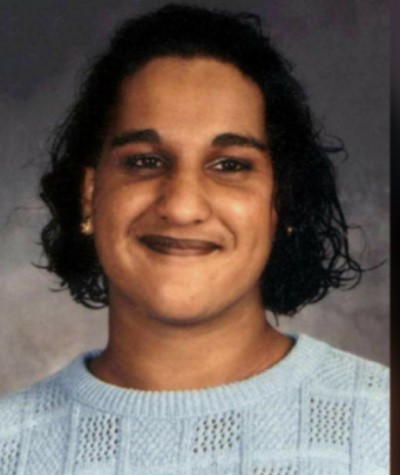
Born on August 9, 1982, Kelly, now known as Kerry Marie Sim, spent her early years in View Royal, a quaint town in British Columbia, Canada. She was just an ordinary teenager with a short brown bob and a stud in her nose. However, her life took a drastic turn in 1997 when she, along with Warren Glowatski and other teenagers, was involved in the murder of 14-year-old Reena Virk. This case garnered substantial media attention due to the bullying Virk had endured prior to her murder.
Early Life
Birth and Family Background
Ellard was born on August 9, 1982, in the picturesque town of View Royal, British Columbia, Canada. Little is known about her family background, but it is clear that her upbringing was far from extraordinary. Like many teenagers, she had her own unique style, sporting a short brown bob and a nose stud.
Childhood and Education
Growing up in View Royal, Kelly attended local schools and led a seemingly normal life. However, beneath the surface, there were signs of the turmoil that would later lead to the tragic events of 1997.
Personality Traits and Interests
As a teenager, Kelly was known to be rebellious and strong-willed. She had a penchant for standing out from the crowd, which was evident in her unique sense of style. Despite these traits, no one could have predicted the dark path her life would take.
The Infamous Case
Introduction to Reena Virk
Reena Virk was a 14-year-old girl whose life was tragically cut short. She was a victim of bullying, a problem that is all too common among teenagers. Her story serves as a stark reminder of the devastating consequences that bullying can have.
Circumstances Leading to the Incident
The events leading up to the fateful night of November 14, 1997, were a culmination of escalating tensions and teenage angst. A group of teenagers, including Kelly and Warren Glowatski, found themselves embroiled in a web of animosity and resentment that would ultimately lead to tragedy.
Detailed Account of the Incident
On the night of November 14, 1997, Reena Virk was lured to a secluded area near the Gorge Waterway in Saanich, British Columbia. What followed was a brutal attack that ended with Virk’s lifeless body being left in the waterway. The details of this horrific event shook the nation and put the spotlight on the issue of teen violence.
Kelly Ellard Wiki | BIO
| Name | Kelly Ellard (now known as Kerry Marie Sim) |
|---|---|
| Date of Birth | August 9, 1982 |
| Place of Birth | View Royal, British Columbia, Canada |
| Known For | Convicted for the murder of Reena Virk |
| Date of Incident | November 14, 1997 |
| Victim | Reena Virk, 14 |
| Method of Murder | Drowning |
| Date of Arrest | 7 days after the incident |
| Trials | Stood trial three times |
| Convictions | Convicted twice |
| Sentence | Sentenced to life in prison with no parole eligibility for seven years on April 12, 2005 |
| Current Status | On day parole as of May 2023 |
| Wikipedia | @Murder_of_Reena_Virk |
Aftermath of the Incident
Immediate Reaction from the Community and Media
The murder of Reena Virk sent shockwaves through the community and the nation. The media coverage was extensive, with the case quickly gaining national attention. The senseless violence of the act and the young age of those involved made it a story that both horrified and captivated the public.
Arrest and Initial Investigation
In the days following the discovery of Virk’s body, an intensive investigation was launched. Seven days after the murder, arrests were made. Among those taken into custody was Ellard, marking the beginning of her journey through the justice system.
Trials and Convictions
Detailed Account of the Three Trials
Kelly Ellard’s case was not straightforward. She stood trial three times, a testament to the complexity of the case. Each trial brought new revelations and challenges, keeping the public and media captivated.

Convictions and Sentences
Despite the twists and turns of the trials, Kelly was convicted twice. The Supreme Court of Canada handed down a life sentence to Kelly in June 2009, with no parole eligibility for seven years. This marked a significant milestone in the case and served as a stern reminder of the consequences of such heinous acts.
Life Behind Bars
Adjustment to Prison Life
Life behind bars was a stark contrast to Kelly’s previous life. She had to adapt to a new environment, abide by strict rules, and cope with the reality of her actions. Despite these challenges, Kelly managed to find a semblance of normalcy within the prison walls.
Conjugal Visits and Motherhood
While serving her sentence, Kelly experienced motherhood. She had two children, conceived during conjugal visits with her boyfriend. This aspect of her life added another layer of complexity to her story.
Granting of Day Parole
In November 2017, Kelly was granted day parole. This allowed her to participate in public activities during the day but required her to return to prison at night. This development marked a significant shift in her life behind bars.
Parole Suspension
Reasons for Suspension
Kelly’s journey on day parole was not without its challenges. In August 2021, her parole was suspended due to her failure to report intimate partner violence. This incident served as a reminder of the strict conditions that come with parole and the consequences of not adhering to them.
Kelly’s Response
Despite the suspension, Kelly maintained her innocence. She denied any violence had occurred, standing firm in her stance even in the face of losing her expanded privileges. This period marked a tumultuous time in her life on parole.

Lifting of the Suspension
After a period of scrutiny and investigation, Kelly’s parole suspension was lifted in October 2021. This allowed her to regain some of her freedom, albeit under the watchful eye of the parole board.
Current Status
Day Parole Conditions
As of May 2023, Kelly remains on day parole. This allows her to live outside her correctional facility for up to five days a week. Despite the restrictions, this arrangement provides her with a semblance of normalcy and the opportunity to reintegrate into society.
Kelly’s Decision to Turn Down Full Parole
Interestingly, despite being offered a hearing for full parole, Kelly turned it down. She stated that she was not situationally ready to return to regular life outside of prison. This decision reflects her self-awareness and understanding of her readiness to fully rejoin society.
See Also:- Aubreigh Wyatt Cause of Death and Obituary: What Happened to Ocean Springs Middle School Student?
Public Reaction
Media Coverage Over the Years
The case of Kelly has been a topic of public interest for many years. The media has played a significant role in shaping public opinion, with coverage ranging from the initial reporting of the crime, through the trials, and into her life on parole.
Public Opinion on the Case and Kelly’s Parole
Public opinion on the case has been varied. Some view Kelly’s parole as a sign of the justice system’s leniency, while others see it as a testament to the possibility of rehabilitation. Regardless of the differing views, the case continues to spark discussions on justice, rehabilitation, and societal reintegration.
Impact on the Canadian Legal System
Changes in Laws or Procedures Due to the Case
The case of Kelly Ellard has had a profound impact on the Canadian legal system. It has led to discussions about the adequacy of laws pertaining to juvenile offenders and has influenced changes in procedures and policies.
Discussion on Juvenile Sentencing
One of the most significant discussions sparked by this case is around juvenile sentencing. The fact that Kelly was a minor at the time of the crime has led to debates on the appropriate sentencing for juvenile offenders and the potential for rehabilitation.
Current Status and Future Prospects
As of May 2023, Kelly remains on day parole, living outside her correctional facility for up to five days a week. Despite being offered a hearing for full parole, she made the decision to turn it down, stating that she did not feel situationally ready to return to regular life outside of prison. This choice demonstrates a level of self-awareness and a commitment to her own rehabilitation, as she recognizes the need for further preparation before fully reintegrating into society.
Kelly’s journey behind bars has been a complex one, marked by both challenges and personal growth. Her decision to decline full parole suggests a maturity and understanding of the gravity of her actions, as well as a desire to ensure a successful reintegration when the time is right.
As she continues to navigate the prison system and work towards her eventual release, her story serves as a testament to the power of rehabilitation and the human capacity for change, even in the face of the most difficult circumstances.
Personal Life and Family
Throughout her incarceration, Ellard has undergone a significant transformation, both physically and emotionally. One of the most notable changes has been her decision to change her name from Kelly Ellard to Kerry Marie Sim. This act, while seemingly simple, represents a symbolic break from her past and a step towards a new chapter in her life.
Kelly’s personal life has also been shaped by her relationships, particularly with the father of her children. The fact that she was able to conceive during conjugal visits speaks to the human connections that can form even in the most challenging environments5. While the details of her relationship are not widely known, it is clear that she has found support and companionship in the midst of her incarceration.

Ongoing Media Coverage
Despite the passage of time, Kelly’s case continues to generate media attention, particularly as she navigates the parole system and works towards her eventual release. The public’s fascination with her story speaks to the enduring impact of her actions and the ongoing need for dialogue about the complex issues surrounding juvenile crime and rehabilitation.
As Kelly continues to navigate the challenges of life behind bars and work towards her eventual reintegration into society, her story serves as a powerful reminder of the importance of rehabilitation and the human capacity for change. While her actions have had devastating consequences for those around her, her journey also highlights the potential for personal growth and redemption, even in the face of the most difficult circumstances.
Legal Aspects and Sentencing
Ellard’s legal journey has been a complex and challenging one, marked by multiple trials and appeals. Despite being a juvenile at the time of the crime, she was tried as an adult, a decision that has been the subject of ongoing debate and controversy1.
Kelly’s first trial took place in March 2000, where she was convicted of second-degree murder1. However, this conviction was later overturned in February 2003, and a new trial was ordered1. The second trial, which took place in July 2004, resulted in a mistrial due to a hung jury1. It wasn’t until the third trial, which occurred in April 2005, that Kelly was once again convicted of second-degree murder1.
Read Also:- Who Is Larimar Rodriguez: All About Runner Josh Kerr’s Lover